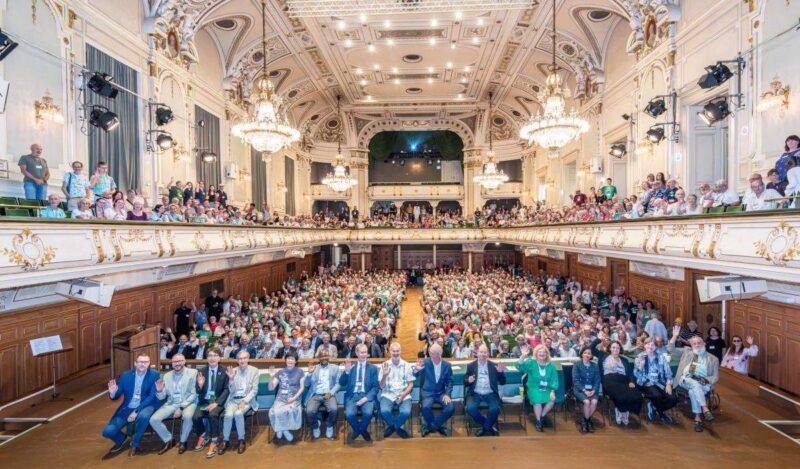
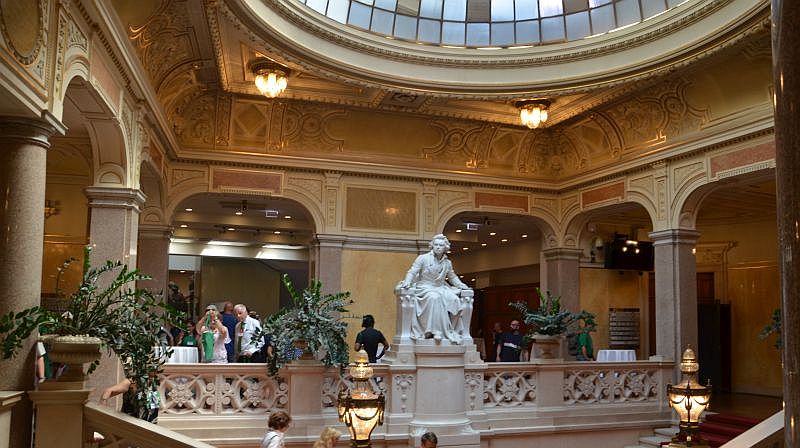
Centrum Kongresowe w Graz, w którym odbył się 111 Kongres Esperantystów, znajduje się w samym centrum ponad 300 000-tysięcznego miasta.
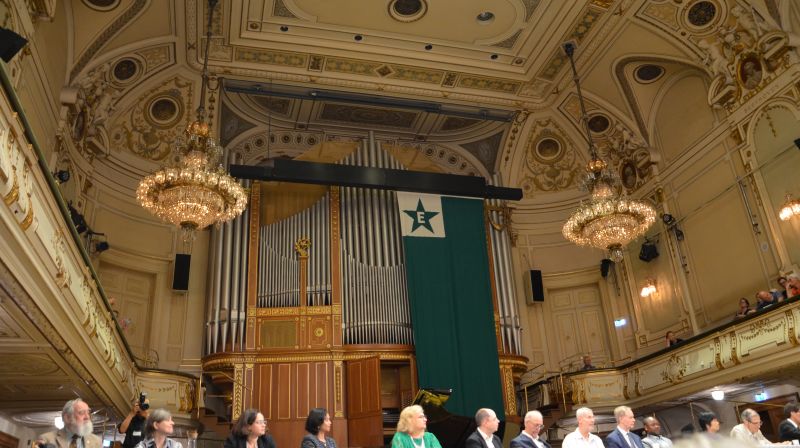
To zabytkowy piękny budynek z 1885 r. Podczas Kongresu w 19 salach spotkało się ponad 1000 esperantystów z całego świata.W najpiękniejszej sali koncertowej – nazwanej salą Zamenhofa na czas kongresu, wysłuchałyśmy kilka przepięknych koncertów międzynarodowych, które na zawsze pozostaną nam w pamięci.
Uczestnicząc po raz pierwszy w Kongresie miałyśmy możliwość spotkać ludzi z różnych rejonów naszego Globu, których łączy język esperanto – niezwykły sposób porozumiewania się ponad granicami. Udało nam się porozmawiać – na podstawowym poziomie – z osobami z Francji, Turcji i Niemiec, co bardzo nas ucieszyło, bo okazało się nie takie niemożliwe, jak na początku myślałyśmy.
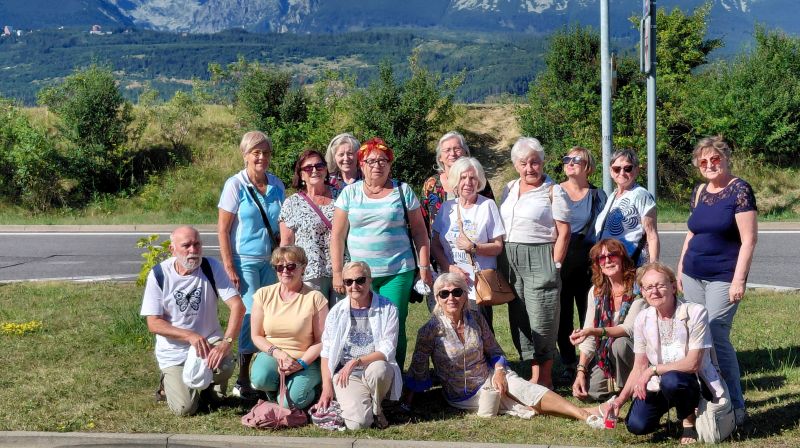
Wyjazd do Grazu umożliwił nam także poznanie rejonów Austrii i jej zabytków oraz innych miejsc na trasie w Węgrzech i Słowacji.
Uczestnictwo w Kongresie przekonało nas do podniesienia poprzeczki w nauce tego języka.
Kończąc – jedni śpiewem, drudzy wiedzą, inni sercem świat zdobyli a w esperanckiej naszej grupie – wszyscyśmy się polubili.
Ula Piasecka i Barbara Libera
W dniu 02 sierpnia 2026 w drugim dniu Kongresu w ramach Wieczoru Narodowego na scenę wchodzi dwóch facetów. Jeden taki poważny drugi taki bigbitowiec „na oko”. Okazuje się że to bracia Lugischowie ze Styrii.
Rozważny gra na rogu, waltorni, bardzo trudny instrument. Drugi na akordeonie, cytrze, harmonijce ustnej i obaj śpiewają. Dali taki popis muzyki klasycznej, ludowej że włos się na głowie jeży. Wirtuozi przez duże „W”.
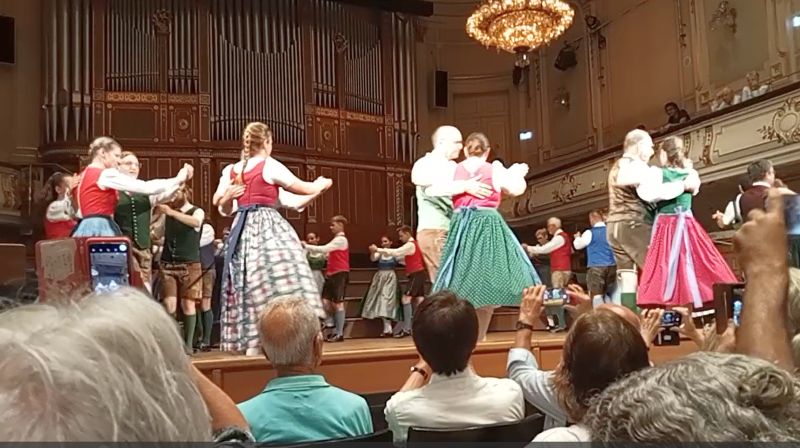
Po nich na cenę wchodzi 16 par zespołu ludowego: panie ubrane w sukienki z gorsetem, bluzki i fartuchy, natomiast panowie w krótkich skórzanych portkach, białych koszulach, kamizelkach i grubych wełnianych skarpetach do kolan. Przy takim upale jaki panował to wielki szacun. Zespół tańczył pewnie ich tańce ludowe, było pięknie i różnorodnie.
Panowie wykonali tradycyjny taniec alpejski, Schuhplattler uderzając dłońmi o uda kolana i buty. Pary były mieszane wiekowo, młodzi ze starszymi. Starsi panowie z wdziękiem i gracją, młodzi jeszcze się uczą. Jedno co nas uderzyło w ich tańcu, to taki szacunek do siebie. Pary cały czas skupiały się na sobie, czule się obejmowały i patrzyły w oczy nie oglądały się za siebie ani w bok. Pan który im akompaniował też był super.
W Grazu natrafiliśmy na bar „Pierogarnia u ADRIANNY”, pierogi pierwsza klasa … ruskie, z serem, z mięsem, szpinakiem, kaszą gryczaną. Właścicielka to Polka, pochodzi z Mazur, gadatliwa i ciekawska. Mąż lekarz weterynarii, córka tenisistka.
Wszystko co fajne w końcu się kończy. W drodze powrotnej w busiku były przyśpiewki skomponowane na okoliczność i ogólne śpiewanie.
Wanda Śmigielska i Teresa Wartak
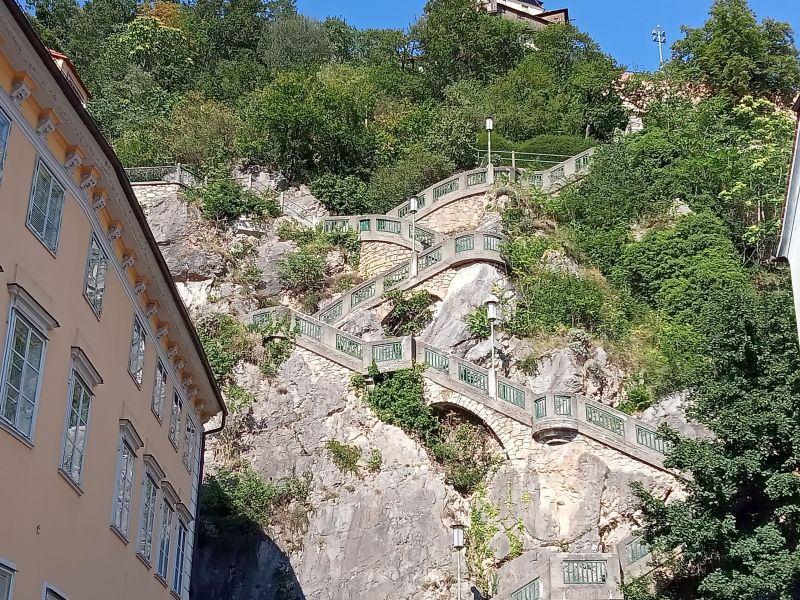
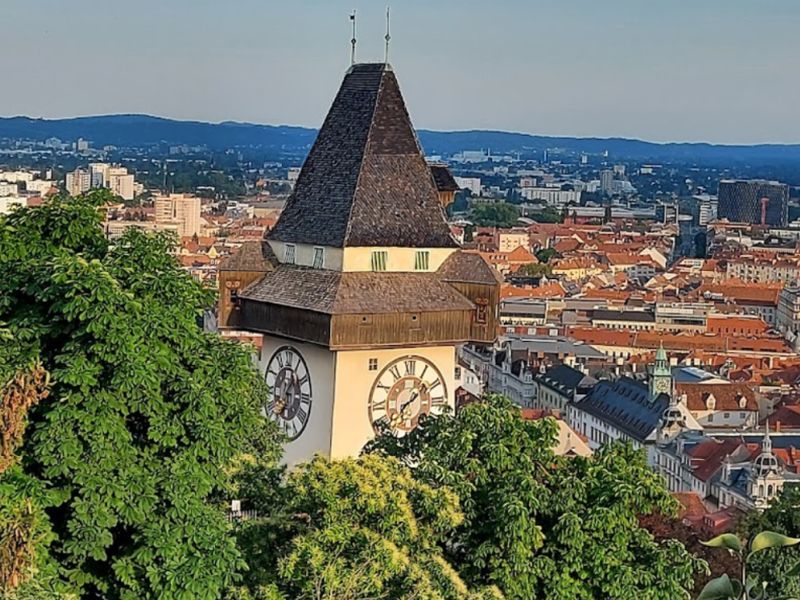
W Grazu, w centrum starego miasta, znajduje się Schlossberg. Jest to piękne, zielone, spacerowe wzgórze, z którego mogliśmy podziwiać wspaniały widok na miasto i okolice. Można tam wspiąć się pokonując 260 schodów, lub tak jak my, spacerkiem zacienionymi alejkami, inni skorzystali z windy (najszybszy środek transportu na szczyt) lub z kolejki Schlossbergbahn.
Na szczycie znajduje się wieża zegarowa, która jest symbolem Grazu oraz wiele zabytkowych budynków i atrakcji.
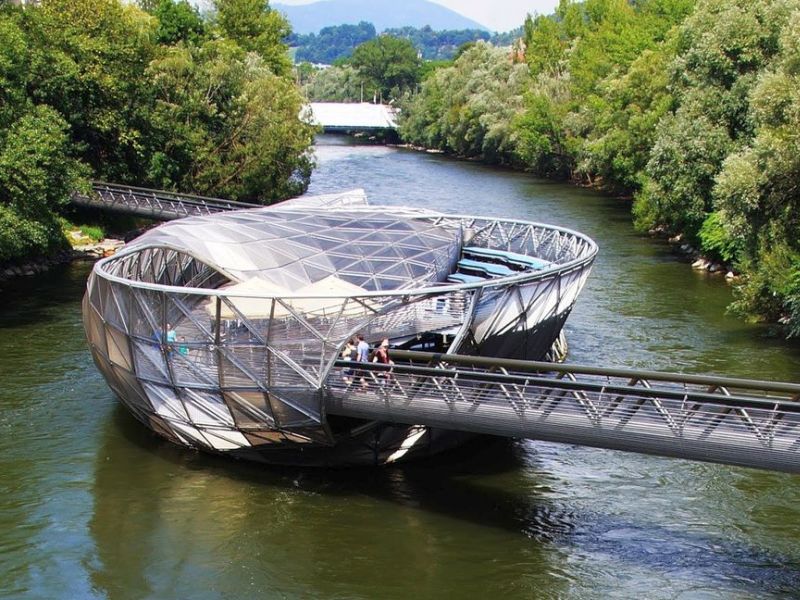
Kawiarnia na wyspie: Przez Graz przepływa rzeka Mur. Na środku tej rzeki, pod szklaną kopułą znajduje się pływająca budowla z bezpośrednim widokiem na wodę, gdzie można wypić kawę, lampkę wina lub zjeść małą przekąskę. Jest to kawiarnia Murinsel. Lody i chłodne napoje smakowały tam wybornie.
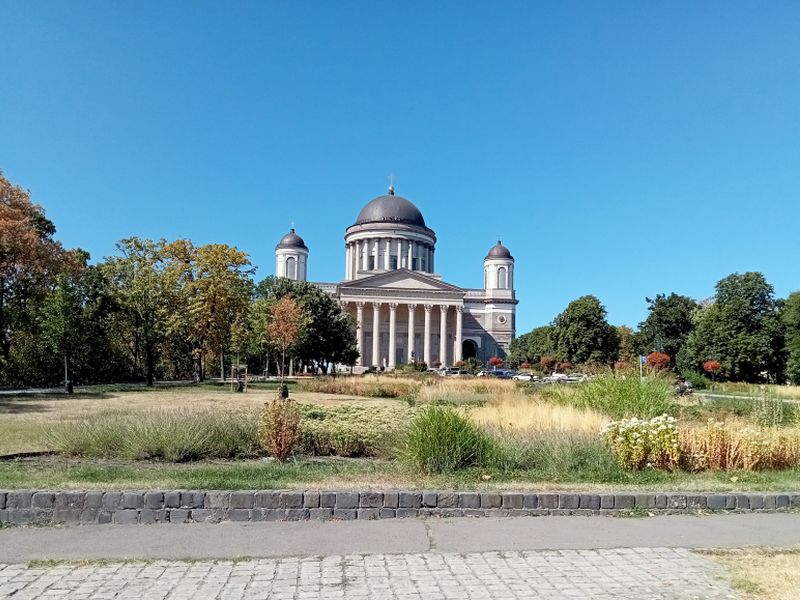
W drodze powrotnej zwiedziliśmy Eszterghom, czyli Ostrzychom, gdzie znajduje się wielka i wspaniała Bazylika. Miasteczko leży nad samych Dunajem, na granicy węgiersko-słowackiej i ma urok węgierskiej prowincji. Bazylika jest największym kościołem na Węgrzech.
Przyciąga setki tysięcy pątników rocznie. Z historią tego miejsca wiążą się dwa fakty powiązane z Polską. W tym miejscu był Jan III Sobieski po rozgromieniu Turków oraz w 1991 roku Jan Paweł II.
Wokół świątyni rozciąga się park, a ze wzgórza, na którym się znajduje, można podziwiać widok na Dunaj, Most Marii Walerii (córki Sissi i Franciszka Józefa) oraz Słowację.
Krystyna Sochacka
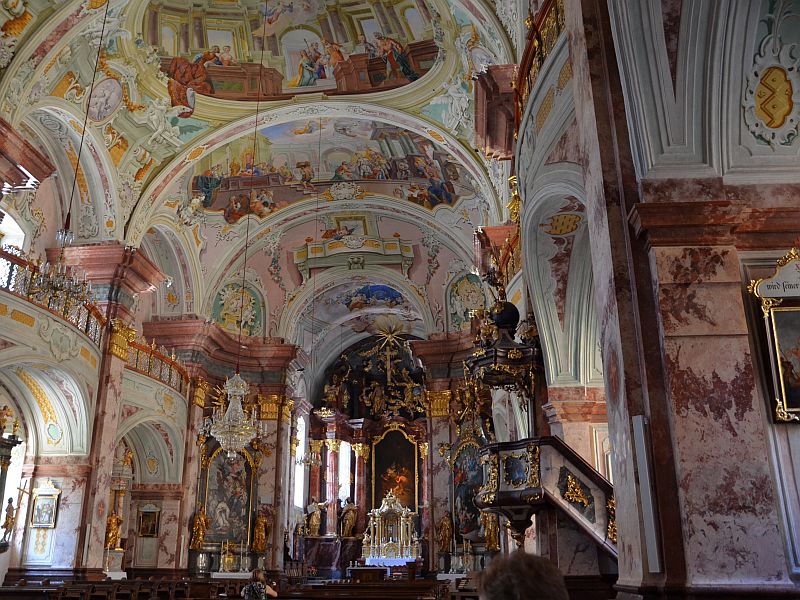
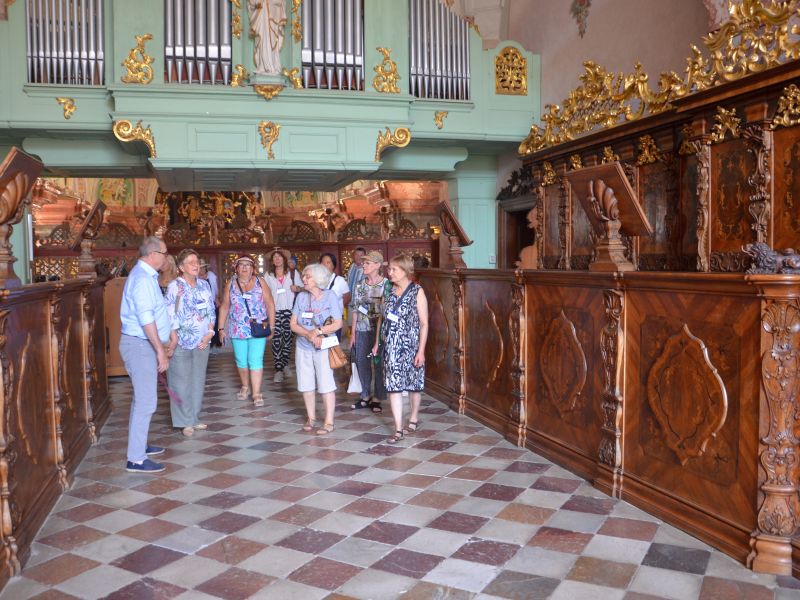
Opactwo Rein znajduje się 20 km na północ od Grazu. Jest to najstarszy istniejący klasztor cysterski na świecie, założony w 1129 roku.
Zachwyca piękną barokowa architekturą, bogato zdobionym wnętrzem i spokojna, historyczna atmosferą. Jest ważnym zabytkiem Styrii i miejscem, które łączy historię, sztukę oraz tradycję klasztorną. Zobaczyliśmy tam bogato wyposażona bibliotekę (średniowieczne manuskrypty i książki wydawane przez wieki funkcjonowania opactwa).
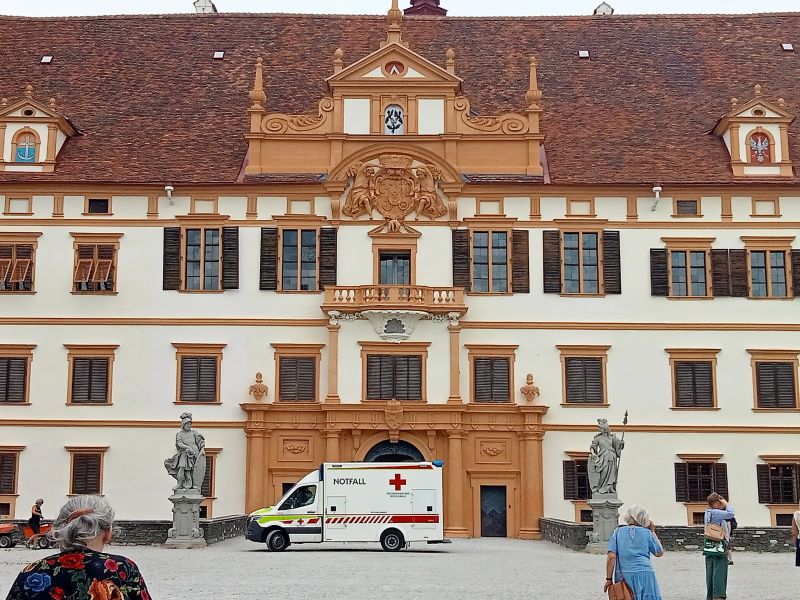
Zamek Eggenberg stoi poza centrum miasta Graz. Jest jednym z najpiękniejszych barokowych pałaców Austrii i znajduje się na liście UNESCO. Otoczony jest rozległym parkiem, w którym można podziwiać aleje, zabytkowe rzeźby i piękną przyrodę. Pałac wyróżnia się również symboliczną architekturą – jego układ nawiązuje do kalendarza i porządku kosmosu. Jego wieże symbolizują 4 pory roku, bramy – 12 miesięcy, a 365 okien – dni w roku. Wnętrza, w których zachowały się wspaniale dekoracje zajmują kolekcje: numizmatyczna, archeologiczna oraz zbiory Univelsalmuseum Joanneum.
Modern Art Gallery w Grazu, znana jako Kunsthaus Graz, to niezwykle charakterystyczny betonowy budynek współczesnej architektury. Jego niezwykła, zaokrąglona forma przypomina „wielkiego przybysza z kosmosu” i wyraźnie kontrastuje z zabytkową zabudową miasta. Pokrycie budynku składa się z szeregu polimerowych płyt. W charakterystycznych, skierowanych ku północy wypustkach umieszczono okna. Szczególnie ciekawie prezentuje się wieczorem, gdy fasada budynku jest podświetlona.
Jeden z tematów do wyboru w programie kongresu okazał się posiedzeniem regionalnej komisji UEA ze wszystkich krajów Ameryki Północnej, Południowej i Karaibów. Przedstawiciele wszystkich krajów mówili o rozwoju i działalności swoich krajowych organizacji esperanckiej (sukcesy i trudności).
Ewa Merha i Barbara Głód-Szarzyńska
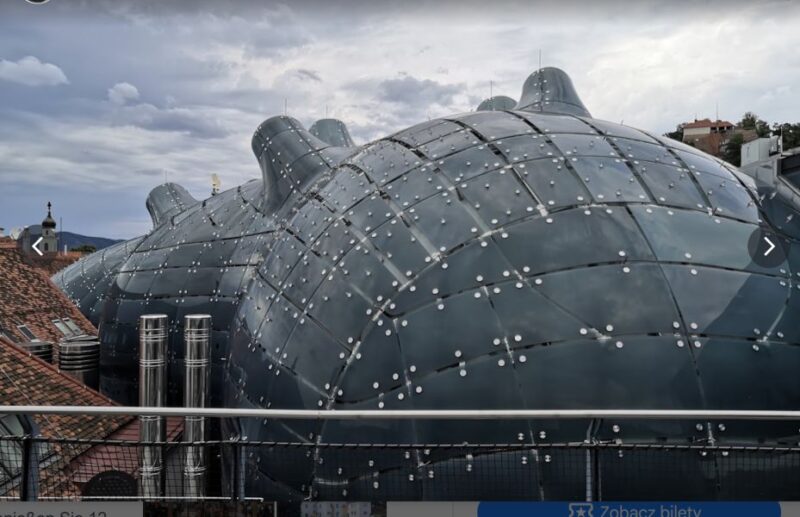
I stało się. Przyszła środa. Kongres zamknięty. Jedziemy 140km. Warunki dobre, lekka klima w busie. Za oknem zielony krajobraz, ukojenie dla oczu. Jednak po upalnych dniach i niedospanych nocach, mała drzemka wskazana.
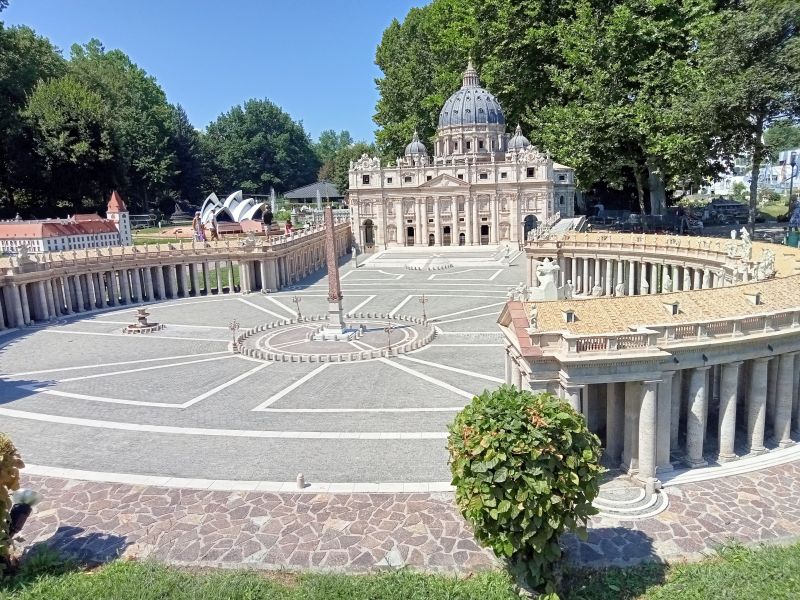
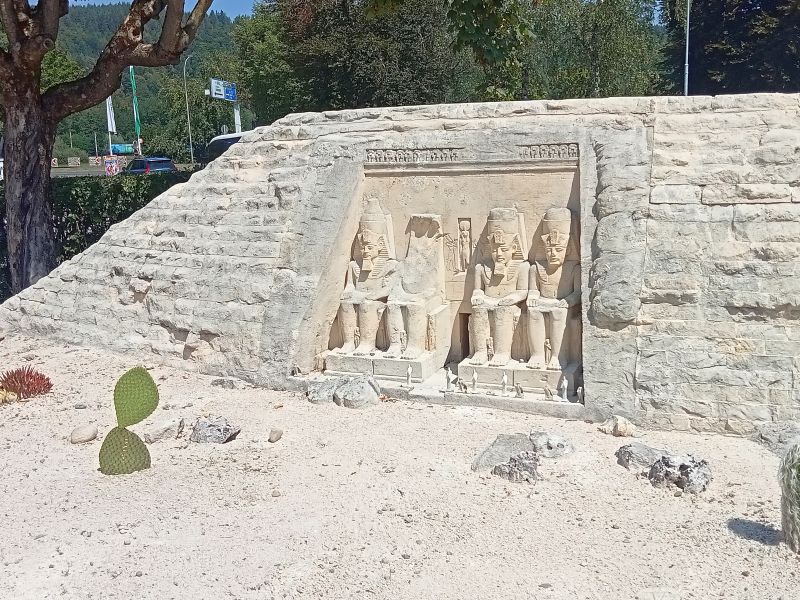
Nagle, co to? czy już sen? ktoś woła? Komu ciasteczko, cukiereczek, czekoladka a może śliweczka, winogrono, pomarańcza? Co się dziwisz? To przecież radosne, szczodre Braterstwo!! Tak to było całą drogę. A na miejscu: ochy, achy! Oto Minimundus w Klagenfurcie, czyli sławny Park Miniatur. Wow, trochę duży! 26 000 m2,166 modeli sławnych budowli z 50 krajów, skala1:25.
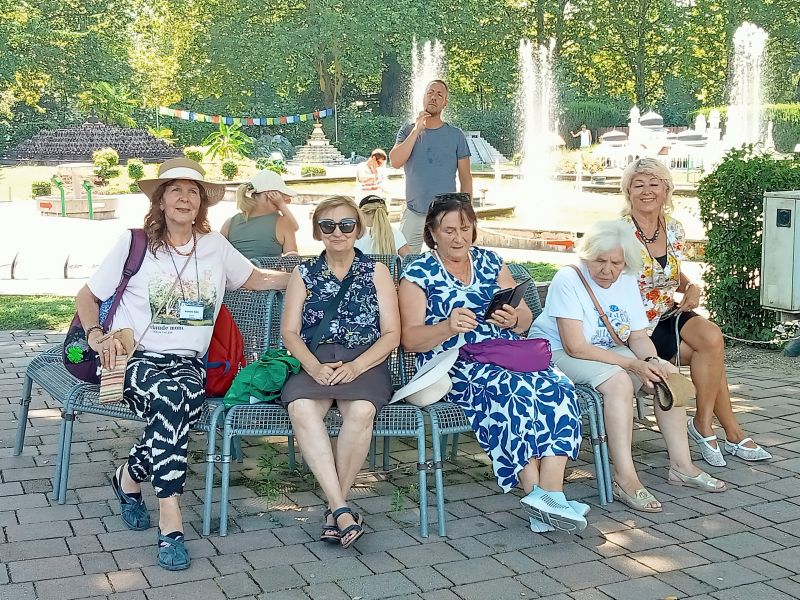
No i zaczęło się: czytanie, oglądanie, rozpoznawanie i oczywiście pstrykanie, czyli zdjęciowanie. Czasu mieliśmy dużo, więc przysiadaliśmy na ławeczkach i wracaliśmy do swoich ulubionych.
Takie najbardziej rozpoznawalne i powalające to:
1. Bazylika św.Piotra w Watykanie – cudo, wykonanie trwało 7 lat.
2. Wieża Eiffla – model ma ponad 12 m.
3. CN Tower w Toronto – najwyższy model – 23m, o cho, cho.
4. Taj Mahal – dokładny, przepiękny.
5. Sagrada Familia w Barcelonie – tyle szczegółów, jak dobrze podziwiać z bliska.
6. No, szósteczka wyróżniona… Schlossberg – wzgórze zamkowe w Grazu z Wieżą Zegarową, gdzie duża wskazówka pokazuje godziny. a mała minuty. Napoleon miał zburzyć wieżę ale mieszkańcy Grazu się złożyli i wykupili ją od Francuzów. Hura!!
I – no cóż! Podobało się. Niektórzy nawet pozmieniali w telefonie zdjęcia profilowe żeby zachować którąś z miniaturek. To jeszcze nie koniec pokazu były pociągi kolejki, diabelski młyn a nawet wahadłowiec kosmiczny.
Rzecz jasna poszliśmy także do kina 4D. Trzepało, straszyło ale frajda była wielka.
No co? czy to już wszystko? O nie, nie. Był jeszcze pyszny i „wielki’ obiad.
Krystyna Szpilowska
Graz – stolica Styrii, drugie co do wielkości miasto Austrii, usytuowane w pobliżu Alp Styryjskich. Miasto powstało na terenie wcześniejszej osady słowiańskiej o nazwie Gradec.
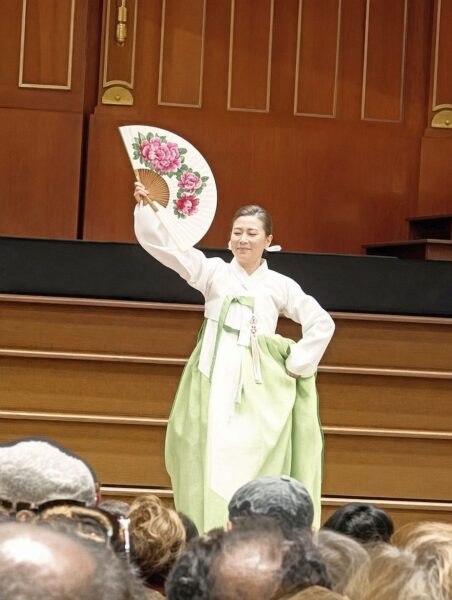
Kongres odbywał się w pięknym XIX wiecznym budynku z interesującym programem codziennych zajęć i koncertów oraz spotkań ze znajomymi z kraju i zagranicy. Ulokowane w pobliżu japońskie i chińskie restauracje dostarczyły wrażeń smakowych. Ostatni, międzynarodowy, wieczór kongresowy to interesujące występy przedstawicieli poszczególnych państw. W pamięci został występ Koreanki z elementami tanecznymi oraz przedstawicieli Austrii, którzy taniec ubogacili elementami świetlnymi do muzyki kompozytorów austriackich.
Codziennie w drodze do budynku kongresowego przemierzaliśmy deptakiem urokliwą starówkę Grazu. Wieczorem tutaj również odbywały się koncerty. Moją uwagę zwrócił występ zespołu kubańskiego – w rytm ich energetycznej muzyki bawił się cały deptak.
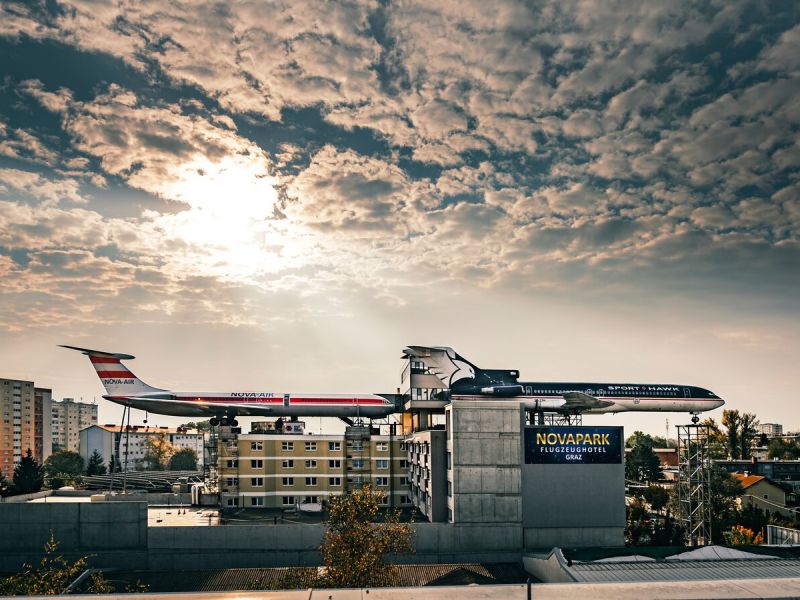
Dopełnieniem pobytu były wycieczki do Novopark Flugzenghotel, do zamku Eggenberg i Minimundus – miniaturowy świat niedaleko Jeziora Worthersee; miejsce nauki, zabawy,odpoczynku.
Bardzo miło wspominam wyjazd, dziękuję wszystkim uczestnikom i mojej współlokatorce. Organizacja i atmosfera w podróży oraz w czasie pobytu była super.
Opyd Stanisława
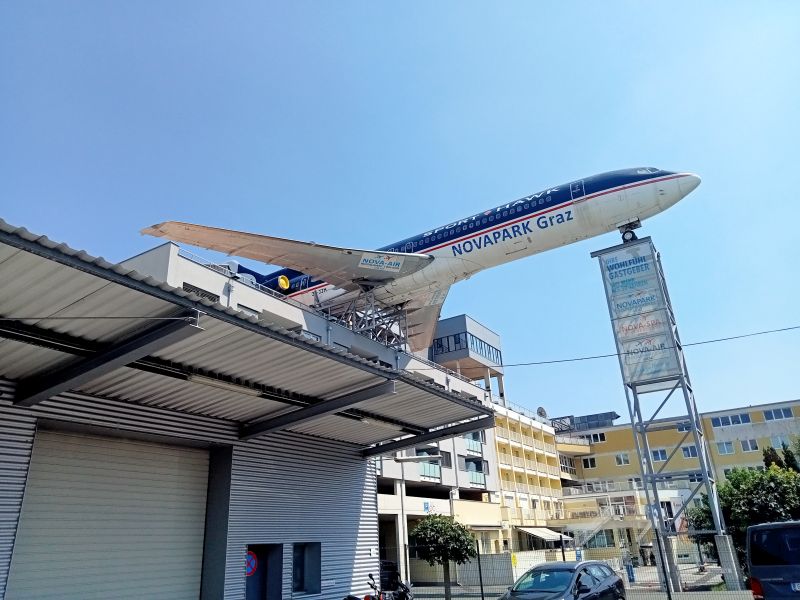
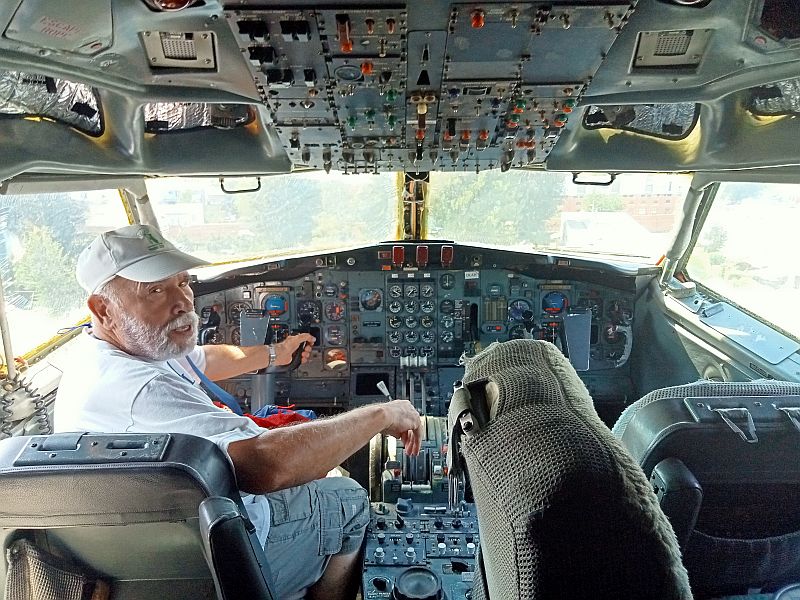
W dniu 6 sierpnia w kilkuosobowej grupie zwiedziliśmy restaurację znajdującą się przy Novapark Flugzeughotel w Grazu. Restaurację można zwiedzać w czasie gdy jest zamknięta dla konsumentów. Znajduje się ona w kadłubie samolotu Boeing 727 należącym do ostatniego prezydenta komunistycznej Czechosłowacji. Obok znajduje się samolot Iliuszyn Il-62M, w którym również jest restauracja i bar. Samoloty znajdują się na dachu hotelu na wysokości ponad 20 metrów.
Zwiedziliśmy również GATE 08 – jedno z największych w Europie centrów symulacji lotniczych.
Obejrzeliśmy 3 profesjonalne symulatory wyposażone w zaawansowane komputery odtwarzające systemy pokładowe w czasie rzeczywistym. Są to symulator Cessna, Boeing 737–800 NG oraz Airbus A319/320. Pokazano nam na nim symulację lądowania Airbusa A-320 w warunkach nocnych.
Marian Kocyk
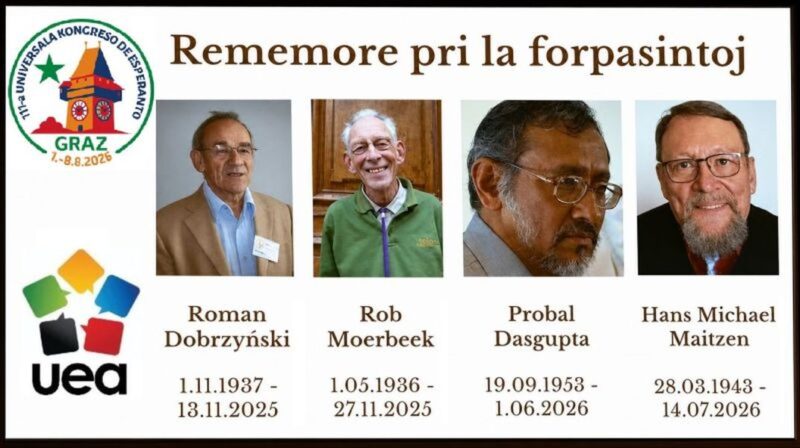
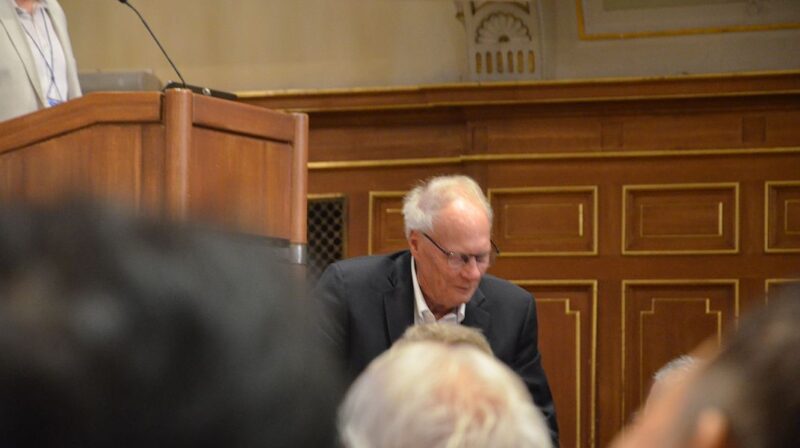
Dla mnie uczestnictwo w Światowym Kongresie Esperanckim jest bardzo smutne ponieważ wielu „gesamideanoj” zmarło, więc teraz ja naprawdę rzadko spotykam znajomych. Jest jednak dobra strona tego, że poprzez częstą obecność w kongresach znam część prelegentów.
Z tego powodu wybrałam IKU4 o Walterze Whitmanie „Poeta nowych Stanów Zjednoczonych”, zaprezentowaną przez Humphreya Tonkina, którego pamiętam z innych kongresów. Bardzo dobrze, żywo i z humorem przedstawił tego poetę. Zawsze będę pamiętać jego poczucie humoru. Jestem bardzo zadowolona, że mogłam poszerzyć moją wiedzę.
Niestety nie mogę tego powiedzieć o drugiej prelekcji, którą wysłuchałam „Psychologiczne zalety przysłów Zamenhofa”. Oczekiwałam przynajmniej jednego z przysłów, które znam z podręczników ale na próżno. Prelegent, wg mnie, niejasno zaprezentował swój punkt widzenia więc straciłam cierpliwość i wyszłam z sali.
Ale i tak się cieszę, że mogłam to zobaczyć.
Jolanta Kieres
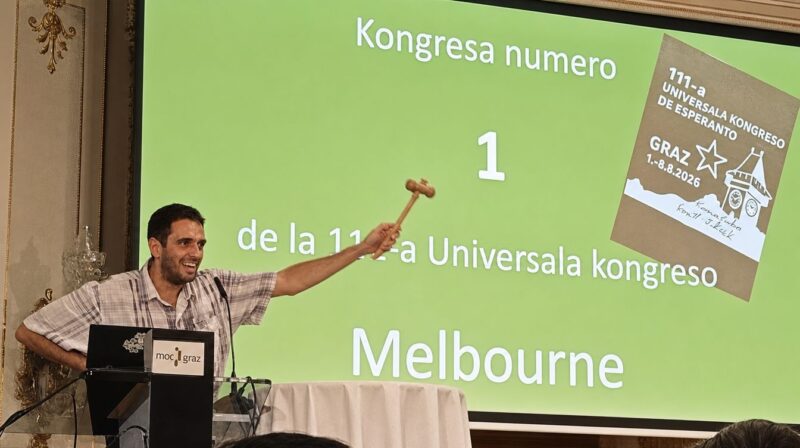
Kongres z Melpomeną – Artystyczne Aranżacje.
XIX – wieczny pałac w sercu Grazu, okazała siedziba Centrum Kongresowego stał się wspaniałym miejscem wielu esperanckich wydarzeń kulturalnych.
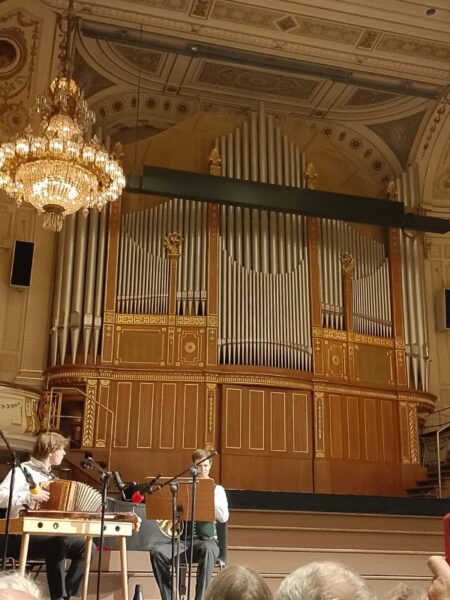
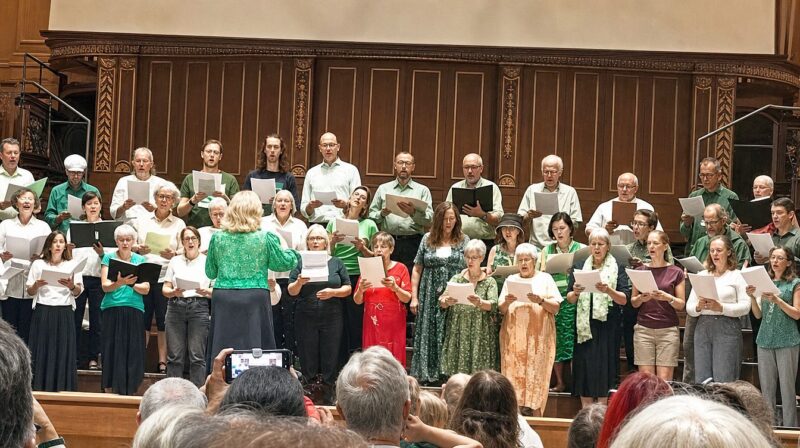
Doskonale akustyczna sala koncertowa – Stefaniensaal, z balkonami zapewniła miejsca dla wszystkich uczestników Kongresu. Na imponujących organach, zwanych często królewskimi, koncertował vice organista z paryskiej bazyliki Saint-Germain w duecie z młodą sopranistką Lindą. Na scenie występowały esperanckie zespoły muzyczne, taneczne, orkiestry, wirtuozi z całego świata oraz 100-osobowy, istniejący od 50–ciu lat międzynarodowy Chór Esperancki pod dyrekcją Zdravki Boytchevej.
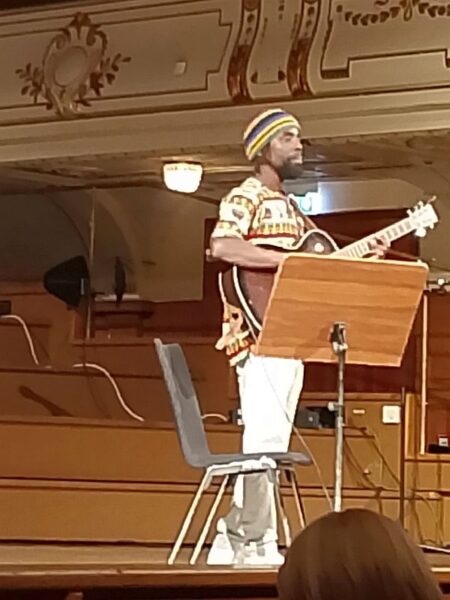
Na uwagę zasługuje koncert Afrykańczyka Abel Massiala, który przy akompaniamencie gitary śpiewał pieśni w kilku afrykańskich dialektach, w pięciu europejskich językach i w Esperanto.
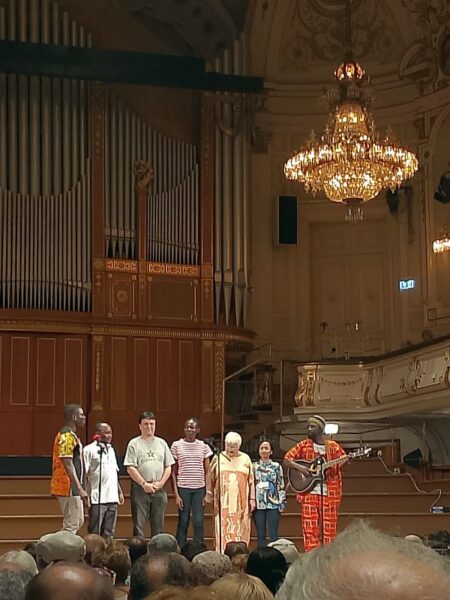
Na Międzynarodowy Wieczór, podczas którego każdy z nas mógł zaprezentować krótki program artystyczny, Abel Massiala stworzył grupę wokalno – instrumentalną ochotników z kilku kontynentów, co było pięknym elementem integracji Esperantystów całego świata.
Na zakończenie wielką niespodzianką dla wszystkich było premierowe, wirtuozowskie wykonanie specjalnie skomponowanego w 1951 roku przez Petera Schwarza „Walca Esperanckiego” na fortepian dla uczestników Austra Esperanta Kongreso. Czarno-biała klawiatura ,,Steinwaya” poniosła jego dźwięki na cały świat.
Szkoda, że podczas tego Kongresu zabrakło prezentacji polskiej kultury.
Alicja Skalska, Krystyna Słaby

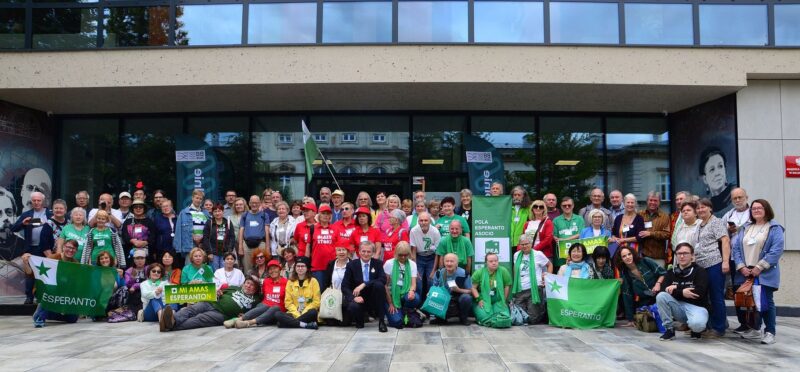
W Bielsku-Białej odbył się 43 Kongres polskiego Związku Esperantystów z tematem: „Między górami a kulturami – razem przez Esperanto”.
Wzięło w nim udział około 130 osób, w tym kilkunastoosobowa grupa Esperantystów z Korei Południowej i pojedyncze osoby z Niemiec, Słowacji, Niderlandów i Francji. Z Nowego Sącza było nas troje: Jolanta Kieres oraz Bożena i Marian Kocykowie.
Zajęcia odbywały się w budynku Książnicy Beskidzkiej, bardzo dobrze przystosowanej do tego typu zgromadzenia.
Na początek, zgodnie ze zwyczajem, odbyła się wycieczka po okolic: do Zamku w Pszczynie, ogrodów Kapias i wsi Wilamowice, w której zachował się oryginalny język dawnych mieszkańców, podobny trochę do niemieckiego i holenderskiego.
Prelekcje mieli Koreańczycy o kulturze Korei Południowej, etapach rozwoju ekonomii. Poprowadzili takze krótki kurs tradycyjnego tańca koreańskiego. Ciekawymi prezentacjami były; stare reklamy w Esperanto oraz wrażenia z podróży po Wietnamie.
Wyjątkowo bogaty był program artystyczny. Oprócz znanego duetu aktorów satyrycznych Szaszy Pfilipowicza i Georgo Handzlika wystąpili: bardzo znany i lubiany holenderski zespół Kajto oraz wybitny francuski artysta z Tuluzy znany w świecie esperanckim pod pseudonimem JoMo. Usłyszeliśmy poza tym duet z Poznania SuMi czyli Zuzannę Kornicką i Mirosława Bartkowiaka.
Miasto Bielsko-Biała warto było zwiedzić ze względu na bogatą historię i ciekawą architekturę Śląska Cieszyńskiego, gdzie w na obszarze rządzonym przez Habsburgów Austro-Węgier mieszały się kultury Polaków, Czechów i Słowaków.
Kongresy Polskiego Związku Esperantystów mają sporą grupę zwolenników i są znaczącym wydarzeniem w ruchu esperanckim.
Bożena Kocyk
13 kwietnia wsiedliśmy do pociągu…ale nie byle jakiego….INTERCITY o godz,13.10 i wyruszyliśmy w kierunku Warszawy.
Podróż była spoko, miejsca numerowane, każdy miał siedzące i nawet przy rozkładanym stoliku. Do Warszawy Centralnej dotarliśmy o godz.17.48 a tam wsiedliśmy do pociągu do Białegostoku. W Białymstoku na dworcu czekała na nas NINA, esperantystka przez duże „E”, przywitaliśmy się serdecznie i NINA zaprowadziła nas na przystanek autobusowy i odprowadziła aż do Hotelu IBIS, gdzie zostaliśmy rozparcelowani na pokoje dwuosobowe. Umówiliśmy się na dzień drugi naszej wycieczki czyli 14 kwietnia.
 . 14 kwietnia 2026 roku grupa rozpoczyna swoją przygodę i odkrywanie skarbów Podlasia.
Rolę pilota i przewodnika podjęła się pełnić Nina Pietuchowska, nauczycielka Esperanto na różnych kursach oraz imprezach esperanckich: SES, BET, Italaj Kongresoj itd.
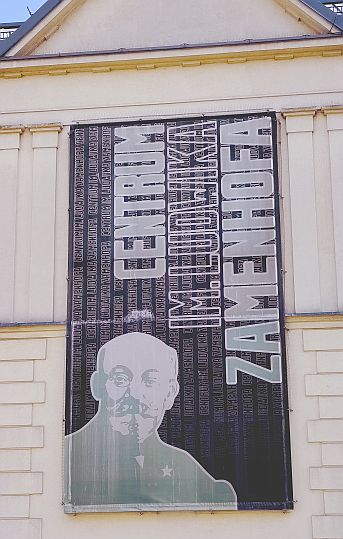
Białystok to stolica województwa podlaskiego. Centrum i ośrodek administracyjno-gospodarczy, kultury, nauki. Miasto, gdzie przenikają się różne kultury, tradycje, gdzie można popróbować różnych smaków. To miasto Ludwika Zamenhofa. Tutaj urodził się znany lekarz, twórca języka Esperanto. Dzisiaj, Nina prowadzi nas szlakiem Esperanto i wielu kultur – opowiada o historii mijanych miejsc i obiektów: o szkole, w której rozpoczął edukację przed wyjazdem do Warszawy, o jego domu rodzinnym, domu Jakuba Szapiro, innego, ważnego esperantysty. Zobaczymy charakterystyczny Rynek Kościuszki i zabytkowe świątynie….
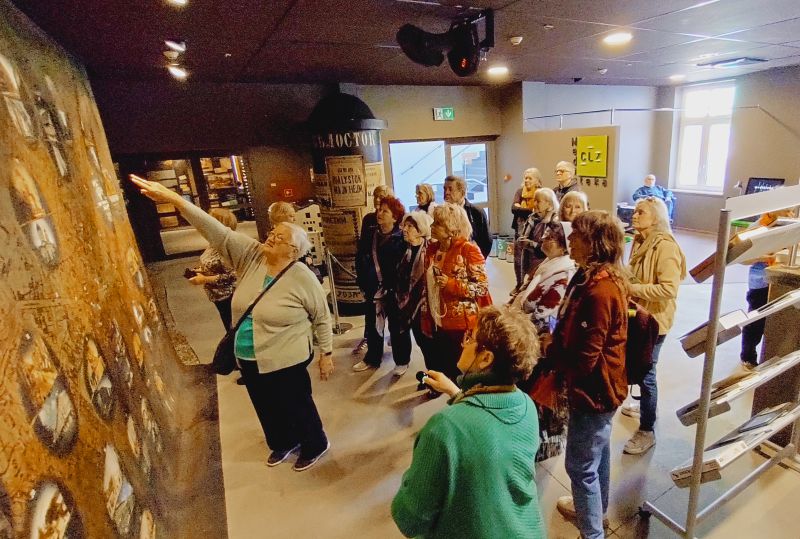
Zwiedzamy Centrum im. Ludwika Zamenhofa, gdzie zgromadzono bogate zbiory z tamtego okresu na wystawie – ,,Białystok Młodego Zamenhofa”. Wyruszamy w kierunku Pałacu Branickich, wizytówki Białegostoku. Już z oddali przyciąga wzrok Brama Wielka ,,Gryf” i okazały barokowy Pałac Branickich – zwany Wersalem Północy. Urzekają bogate wnętrza, elementy parku i ogrodów w stylu francuskim, bogate zbiory muzeum. Tutaj ma siedzibę Uniwersytet Medyczny i Muzeum Farmacji.
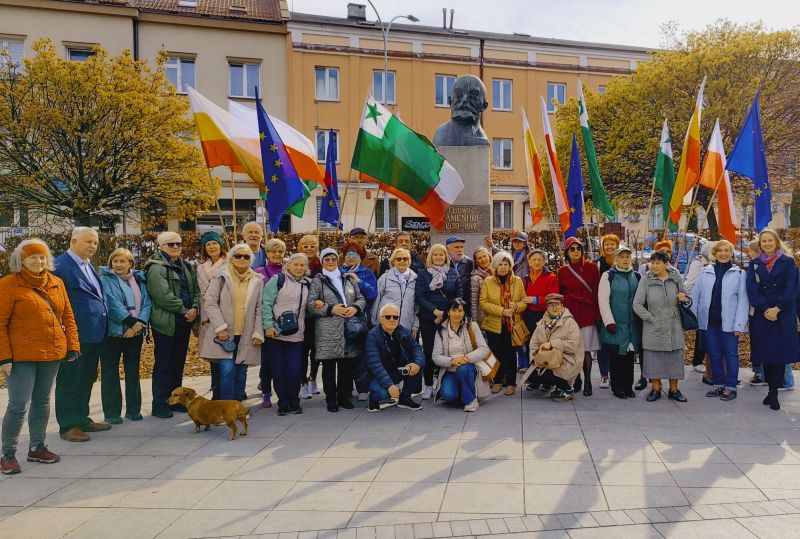
14 kwietnia przypada 109 rocznice śmierci Ludwika Zamenhofa. Nasza grupa została zaproszona przez Białostockie Towarzystwo Esperantystów i Białostocki Ośrodek Kultury na uczczenie tej rocznicy. Pod pomnikiem Patrona Esperanto złożono wiązanki kwiatów. Były przemówienia przedstawicieli organizacji oraz wspólne pamiątkowe zdjęcie. Również wspólnym zdjęciem zostało udokumentowane spotkanie pod pomnikiem – ,,Młodego Zamenhofa”.
Bogaty program pierwszego dnia pobytu w Białymstoku kończymy w miłej atmosferze na spotkaniu z białostockimi esperantystami w ich siedzibie. Nasza niezmordowana przewodniczka Nina, jeszcze tutaj dzieli się swoimi zbiorami z kart historii swojego ukochanego miasta.
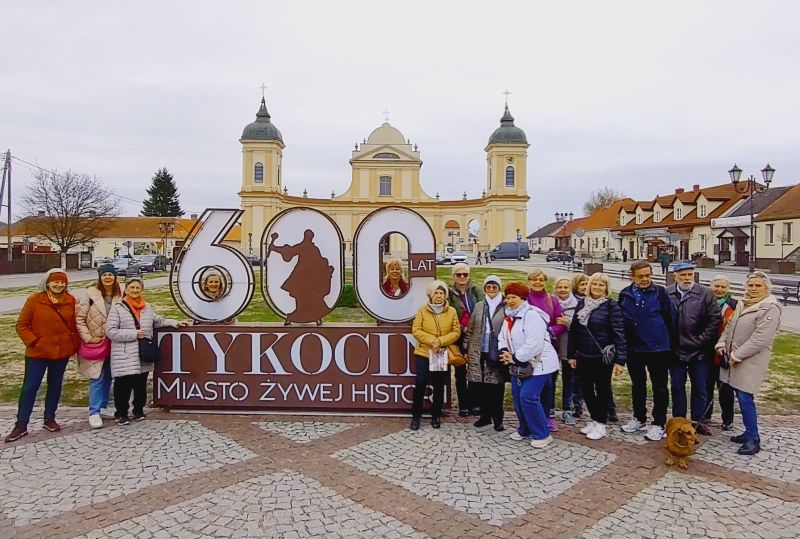
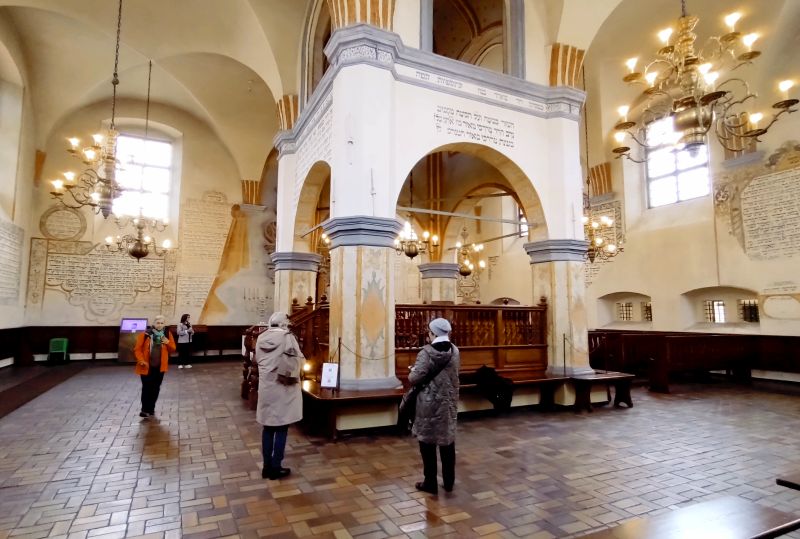
. Drugi dzień wypełniły dwie wycieczki. Pierwsza do Tykocina – uroczego miasteczka położonego ok.30 km na zachód od Białegostoku. Znajduje się tam kościół późnobarokowy p.w. Św.Trójcy. Ma imponujący monumentalny kształt, który robi wrażenie. Zwiedziliśmy wielką synagogę, b. dobrze zachowaną i posiadającą spore zbiory judaików. Obok synagogi znajduje się restauracja Tejsza, która serwuje kuchnię żydowską. W Tykocinie na zamku król August II ustanowił Order Orła Białego w r.1703. Upamiętnia to pomnik. Po drugiej stronie Narwi stoi królewski zamek odbudowany przez prywatnego właściciela.
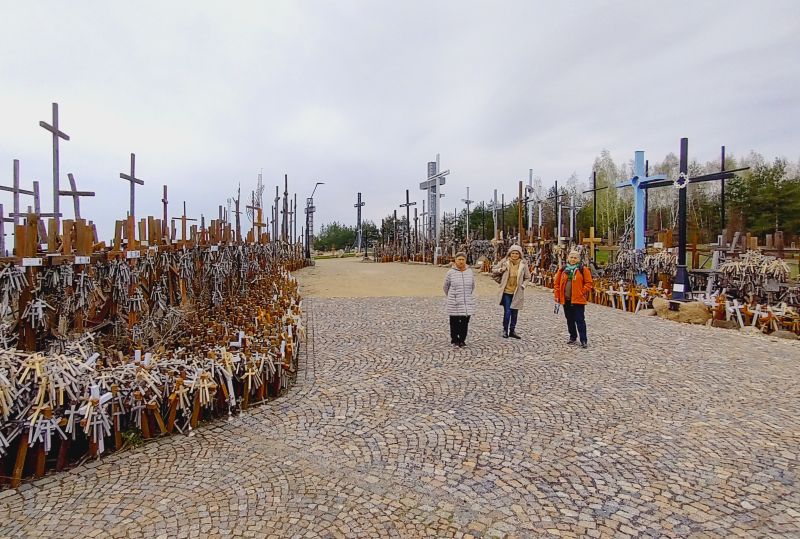
Druga wycieczka w tym dniu to wyjazd do Świętej Wody, źródełka o cudownych właściwościach. Jest tam Góra Krzyży gdzie pielgrzymi zostawiają krzyże. Wszystko to robi wrażenie. Dzień był intensywny i zostawił wiele pozytywnych wrażeń.
W trzecim dniu wycieczki odwiedziliśmy miejscowość Supraśl, położoną niedaleko Białegostoku.
Jest to urokliwe miasteczko znane z bogatej historii, zabytków oraz wyjątkowej atmosfery. Supraśl ma bogatą historię datowaną od 1501 roku, kiedy to na uroczysku Suchy Hrud powstał przeniesiony z Gródka prawosławny Monaster, którego założycielem i głównym fundatorem był wojewoda nowogródzki Aleksander Chodkiewicz.
Legenda dotycząca założenia Monasteru głosi, że mnisi z Gródka, po kilkudniowych modłach puścili z biegiem rzeki Supraśli drewniany krzyż z relikwiami, prosząc Bożą Opatrzność, aby zatrzymał się on w miejscu, które będzie najlepiej nadawało się na klasztor.
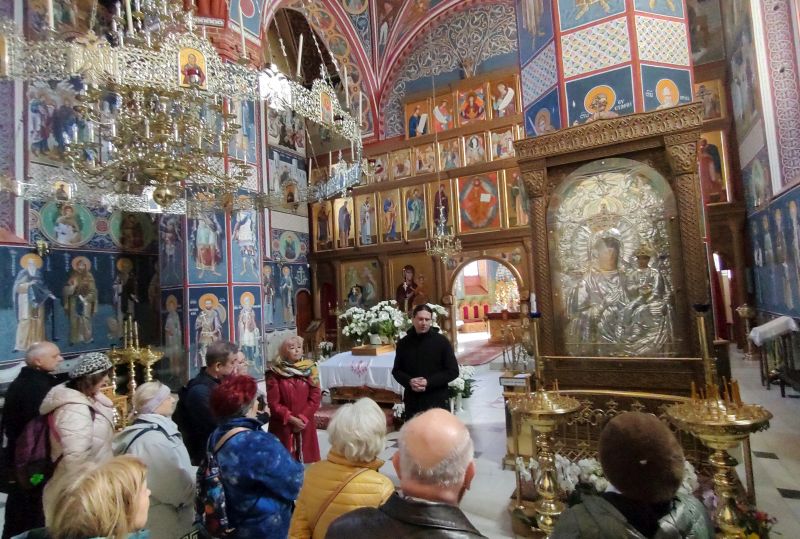
Nasze zwiedzanie rozpoczęliśmy od Monasteru Zwiastowania Przenajświętszej Bogurodzicy, jednego z najważniejszych prawosławnych klasztorów w Polsce.
Monaster został założony na początku XVI wieku i przez wieki był ważnym ośrodkiem religijnym oraz kulturalnym regionu. Szczególne wrażenie zrobiła na nas odbudowana cerkiew Zwiastowania NMP, która została zniszczona podczas II wojny światowej, a następnie wiernie odbudowana. Niestety to co oglądaliśmy to tylko bardzo dokładna ekonstrukcja. Oczywiście jest to budowla sakralna i prawosławna, ale wyglądem przypomina gotycki, ceglany zamek – postawiony na kwadracie, z wysokimi murami i wieżami na narożach. Świątynia zachwyca swoją monumentalną architekturą i pięknym wnętrzem, słynie z żywych fresków pokrywających ściany. Całe miejsce emanuje spokojem i jest pełne historii. To Monaster męski Zwiastowania Przenajświętszej Bogurodzicy Maryi i Św. Apostoła Jana Teologa. Obecnie liczy on 10 Braci. Brat Jan, przewodnik, zaimponował nam swoją ogromną wiedzą historyczną, którą umiał przekazać w ciekawy sposób, wplatając w swoją opowieść dużo humoru i odniesień do współczesności. Nudy nie było. Sam Monaster zrobił na nas ogromne wrażenie ,
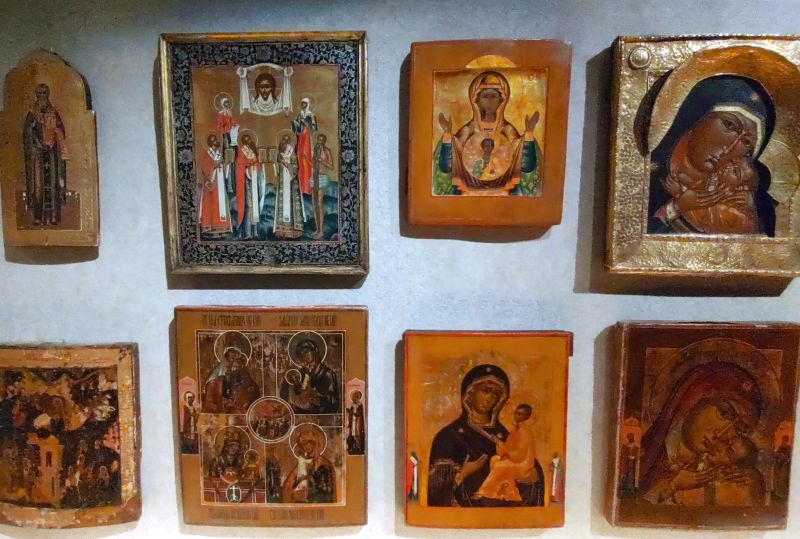
Kolejnym punktem wycieczki było Muzeum Ikon, oddział Muzeum Podlaskiego mieszczące się w dawnym Pałacu Archimandrytów. Jest to jedna z najciekawszych placówek tego typu w Polsce. Muzeum posiada bogatą kolekcję ikon z XVIII, XIX i XX wieku oraz fragmenty XVI-wiecznych fresków uratowanych z dawnej cerkwi. Ekspozycja obejmuje około 300 ikon, przedmiotów sakralnych i unikatowych fresków nawiązujących m.innymi do wnętrza cerkwi, pustelniczej pieczary czy też wiejskiej chaty. Wzbogacone o oprawę świetlną mają pomóc oglądającym w zrozumieniu roli (nie tylko religijnej, ale też historycznej i obyczajowej) ikony w prawosławiu Kolekcja muzealna to religijne obrazy, wiele z nich bardzo starych i pięknie namalowanych. Muzeum dobrze wyjaśnia, jak ikony powstawały i dlaczego są ważne. Zaskakują żywe kolory i ilość detali. Wystawa została przygotowana w nowoczesny, multimedialny sposób, dzięki czemu zwiedzanie było bardzo interesujące i pozwoliło lepiej poznać kulturę prawosławia. Wizyta w muzeum była dość refleksyjnym doświadczeniem.
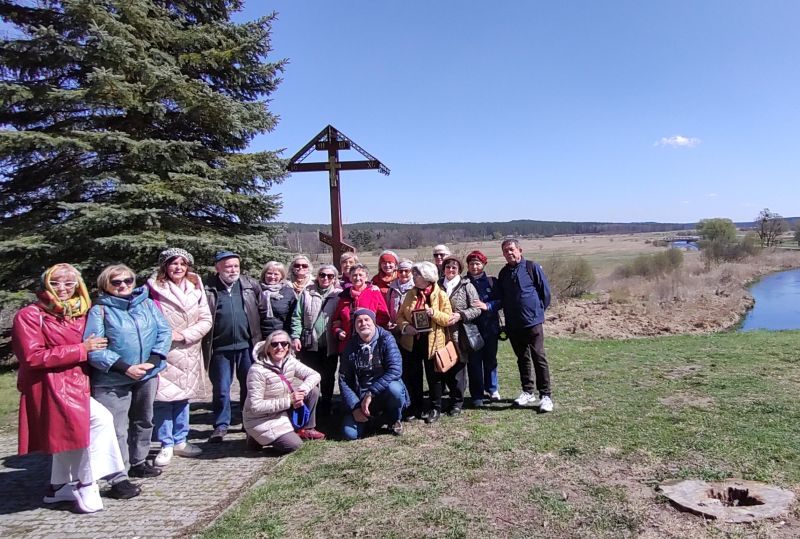
W dalszej części naszej wycieczki, chętnie udaliśmy się z naszą przewodniczką p. Niną do centrum miasteczka – zwiedzaliśmy Rynek. Rynek w Supraślu jest zadbany i otoczony zabytkowymi budynkami. Panuje tam spokojna atmosfera, a my mieliśmy okazję zobaczyć charakterystyczną zabudowę uzdrowiskowego miasteczka, oraz poznać jego historię. Oczywiście był także czas na „małe co nieco” w poleconym przez Ninę miejscu o nazwie „Jarzębinka”. Nasze kubki smakowe zostały tam zaspokojone w 100 %. Na pewno nie byliśmy wszędzie i nie widzieliśmy wszystkiego, ale zwyczajnie brak było na to czasu. Podczas naszego spaceru po Supraślu zatrzymaliśmy się także przy Pałacu Bucholtzów, przy fabryce i domu Jansena i innych ciekawych obiektach, o których nasza przewodniczka Nina wiele nam opowiedziała.
Dzięki tej wycieczce mieliśmy możliwość poznania specyfiki regionu, zobaczenia cennych zabytków, oraz spędzenia czasu w pięknym i spokojnym miejscu. Supraśl było warto odwiedzić.
Trzeci dzień naszej wycieczki zakończyliśmy wspólną kolacją w restauracji hotelowej.
Były wspomnienia, wierszyki, śpiewy – bardzo miła atmosfera, była wymiana upominków. Na kolacji nie mogło zabraknąć „naszej Niny”, która była z nami od pierwszych kroków postawionych na dworcu PKP w poniedziałkowy wieczór. Służyła nam swoją wiedzą, zarówno historyczną jak i praktyczną za co serdecznie jej podziękowaliśmy.
Było uroczyście i wesoło, a co niektóre koleżanki już snuły plany dotyczące następnej wycieczki. Nasza Pani Prezes Bożena nie powiedziała „nie”, mamy więc nadzieję na kolejny wspólny wyjazd.
Wybór Jamnika na towarzysza podróży to była ważka decyzja, której konsekwencją była podróż samochodem 4 osób a nie pociągiem z całą grupą. Od teraz naszym jedynym kompasem był nos umieszczony 10 centymetrów nad ziemią, a harmonogram dnia był zależny od humoru i uporu księżniczki. Podróżowanie z „parówką” to nieskończona przyjemność (i odrobina szaleństwa) a nuda odchodzi w niepamięć.
Jamnik to cud inżynierii. Jest to jedyny pies, który zmieści się w najciaśniejszym przejściu w pociągu, a jednocześnie potrafi zająć 110% powierzchni łóżka w pokoju hotelowym.
To tam, gdy dopada cię chłód, Jamnik ujawnia swoją supermoc jako system grzewczy w wersji deluxe. W samochodzie zajmuje mało miejsca (pionowo) i nieskończenie wiele miejsca (poziomo). Podróżując z Jamnikiem, przestajesz być anonimowym turystą. Stajesz się „tym człowiekiem od tego długiego pieska” bo Jamniki mają wrodzony dar zjednywania sobie ludzi – od panów policjantów po surowe panie w recepcji. A więc:

Ten kto ma Jamnika,
niech z nim w Świat pomyka.
Bo dużo radości
z jamniczej długości.
I dobrze Ci będzie,
gdy jest z Tobą wszędzie.
Raport to praca zbiorowa uczestników wycieczki
Kolejne spotkanie klubowe odbyło się w MOK dnia 23 marca. W progr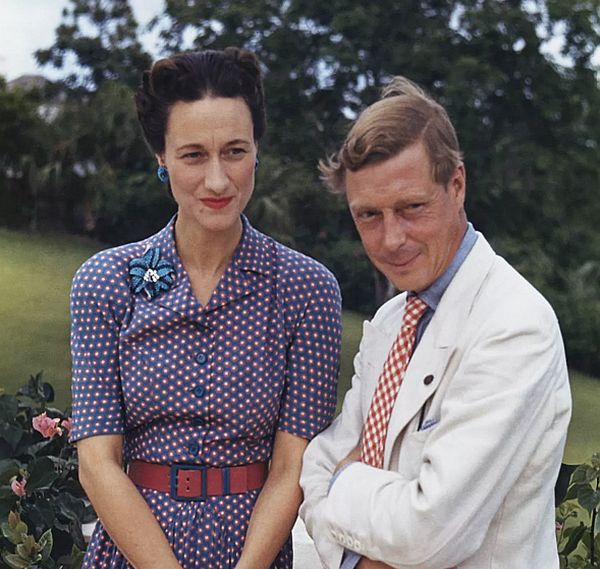 amie było omówienie bieżących spraw związanych z wyjazdem grupy do Białegostoku i Grazu oraz film i prezentacja.
W Białymstoku grupa, oprócz zwiedzania miasta i okolicy oraz spotkania z lokalnymi esperantystami będzie uczestniczyła w uroczystym złożeniu kwiatów pod pomnikiem Ludwika Zamenhofa z okazji 109 rocznicy jego śmierci. Współorganizatorami są władze miasta.
Następnym punktem spotkania było obejrzenie filmu propagującego, w sposób obrazowy i dowcipny, Esperanto przygotowanego przez naszego kolegę Jarosława Szewczyka przy wykorzystaniu Sztucznej Inteligencji.
Po filmie uczestnicy wysłuchali prelekcji, ilustrowanej zdjęciami z epoki, przygotowanej przez Bożenę i Mariana Kocyków pt „ Miłość czy tron” o najsłynniejszym romansie XX wieku czyli króla angielskiego Edwarda VIII i Mrs Simpson.
Zakończyliśmy spotkanie gawędząc przy kawie i herbacie.
Bożena Kocyk
Link do prezentacji
Link do filmu

Wpis w ’Panoramie Kultury Sądeckiej” z czerwca 2008 roku:
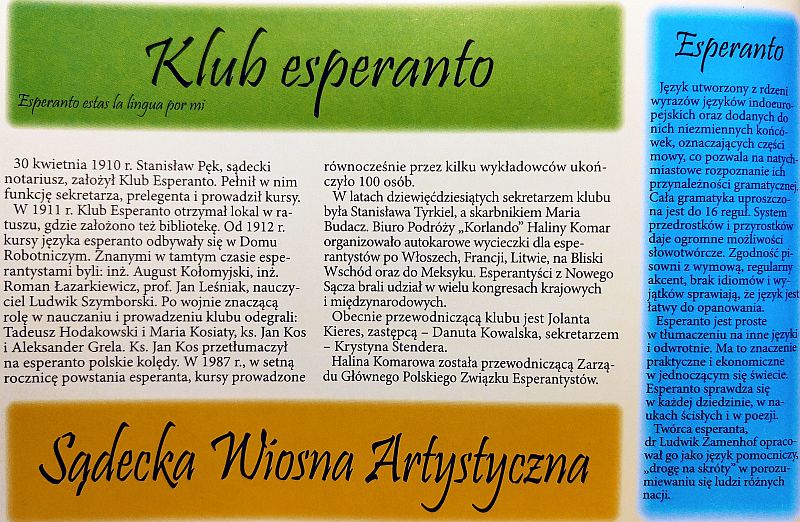
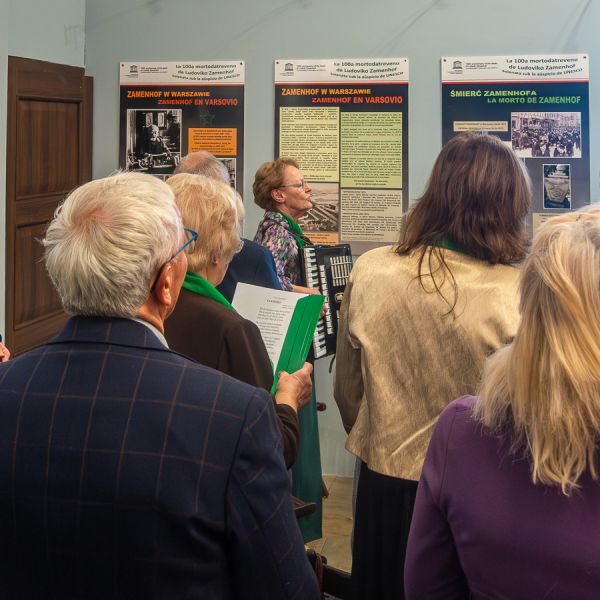
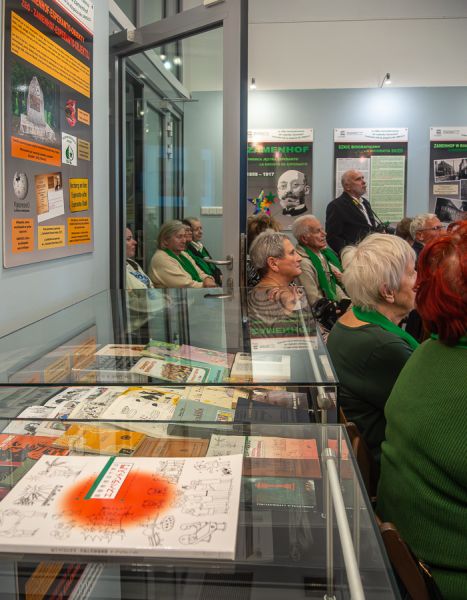
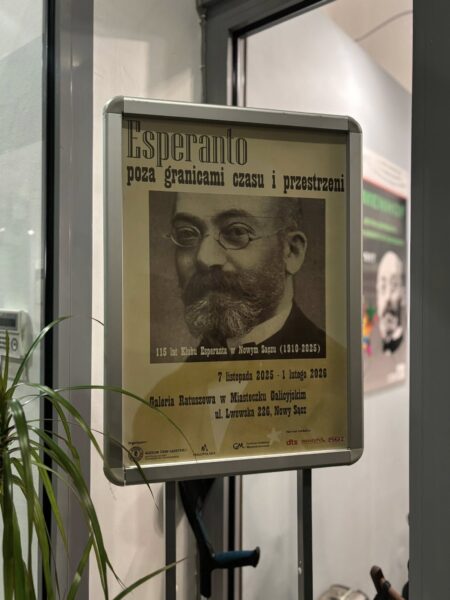
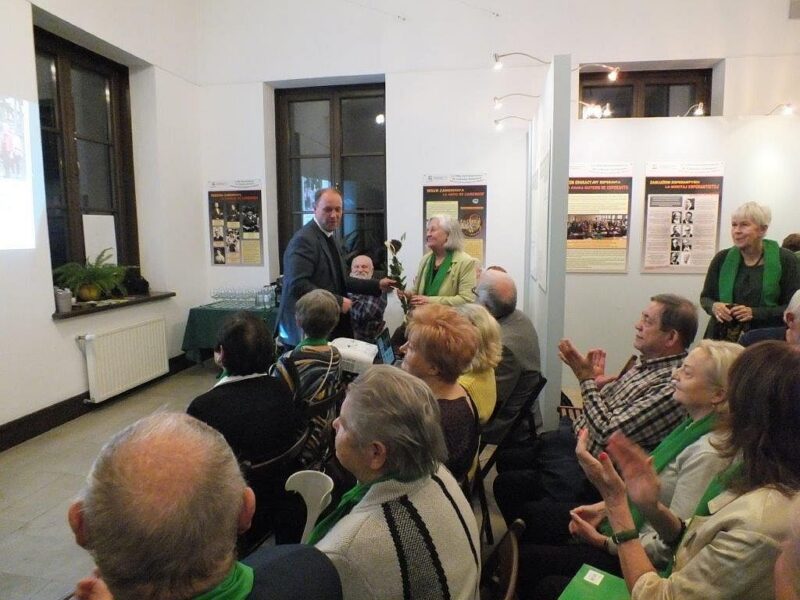
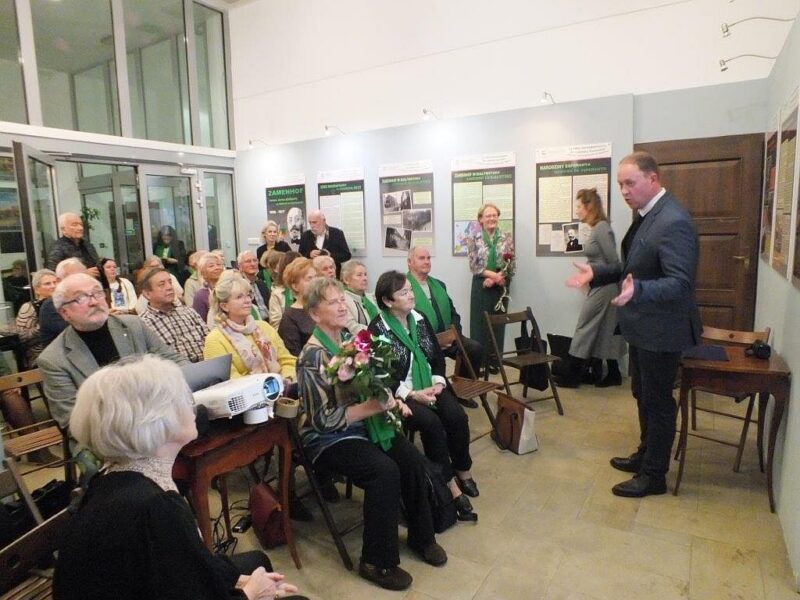
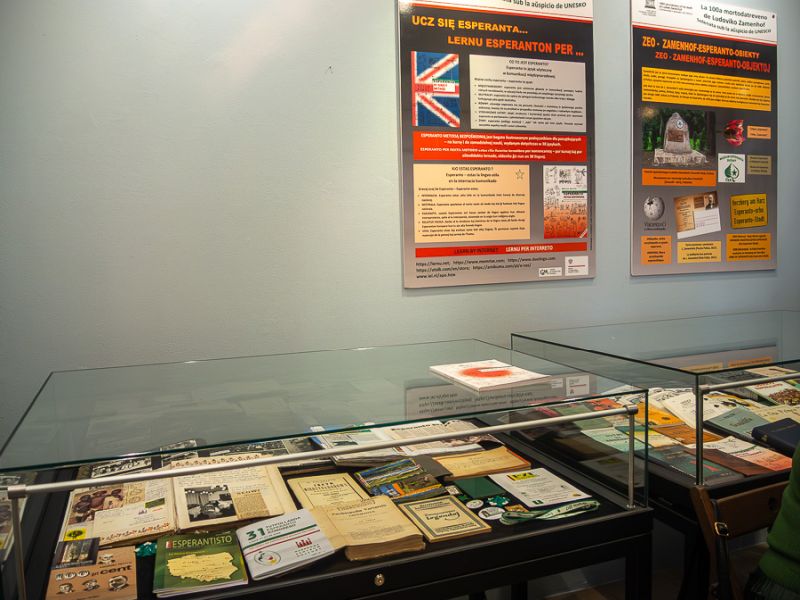
Klub Esperanto działa do dzisiaj w Miejskim Ośrodku Kultury. Rocznica powstania Klubu była okazją do zorganizowania wystawy „Esperanto poza granicami czasu i przestrzeni”, której uroczysty wernisaż odbył się w Miasteczku Galicyjskim w listopadzie ubiegłego roku.
Zobacz informację autorstwa Marii Baran:
„Esperanto i esperantyści w Nowym Sączu – klub esperanta w Nowym Sączu 1910 -2025”
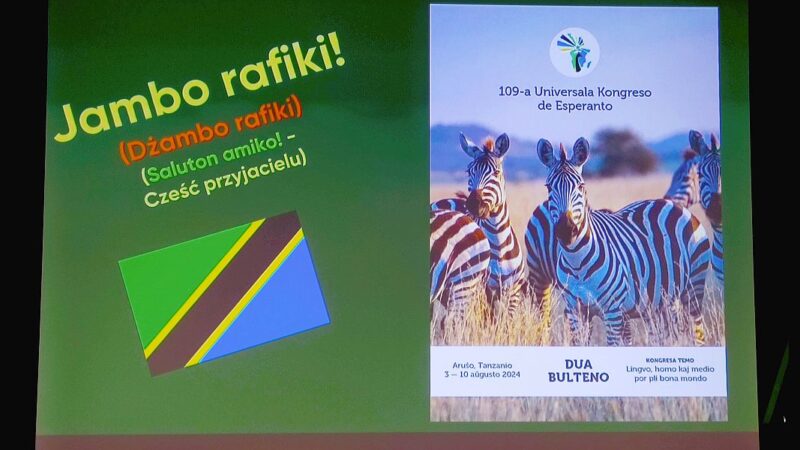
W „afrykańskim klimacie” odbyło się lutowe spotkanie klubowe CEM, które miało miejsce w MOK w dniu 16 lutego b.r. Stało się to dzięki obecności gości, którzy swoimi opowieściami przenieśli nas do Tanzanii.
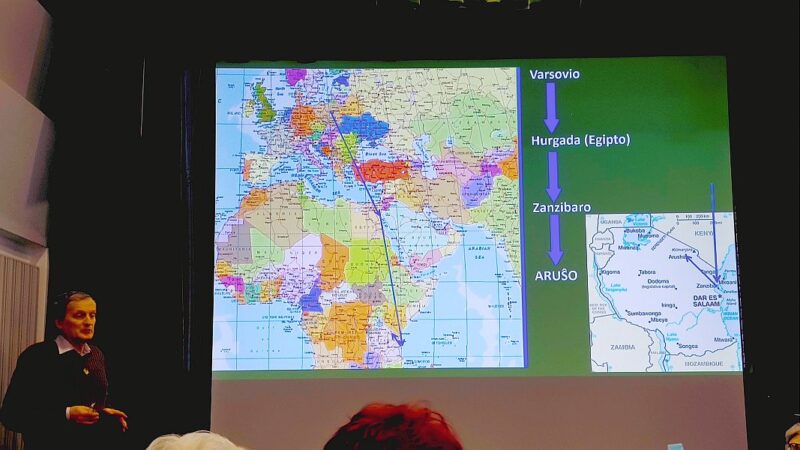
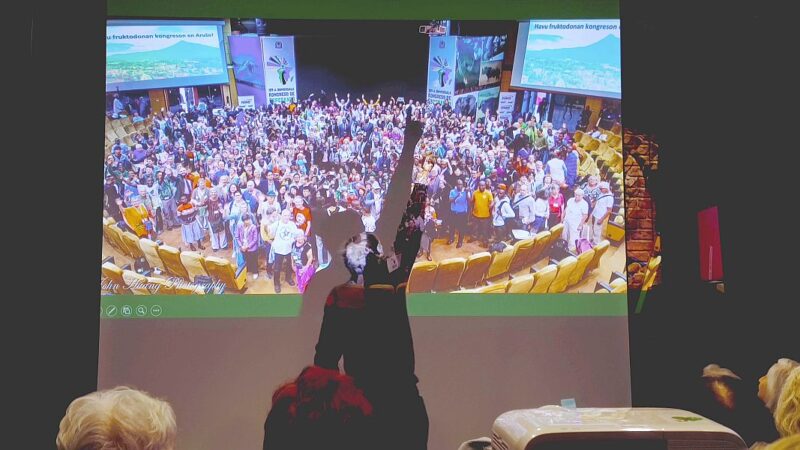
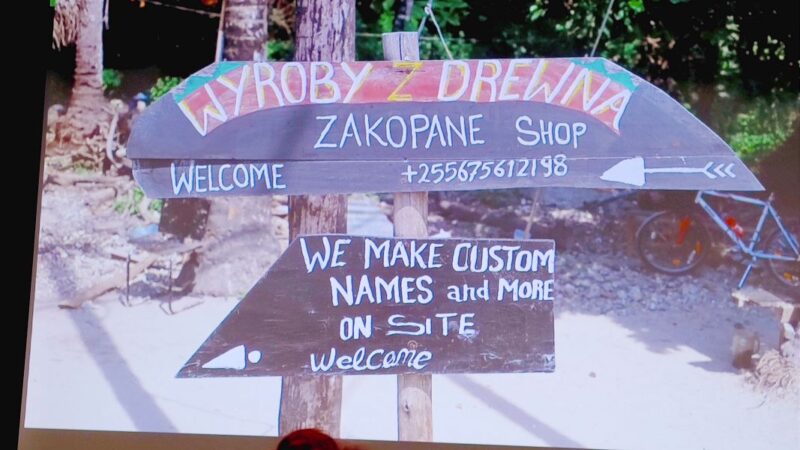
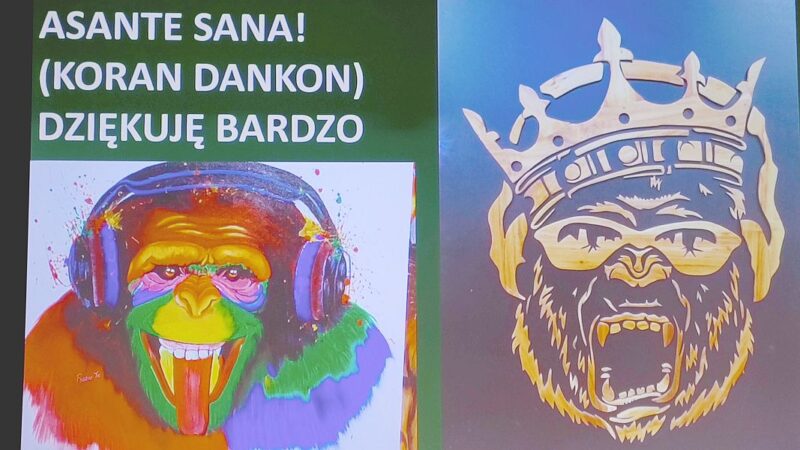
Magdal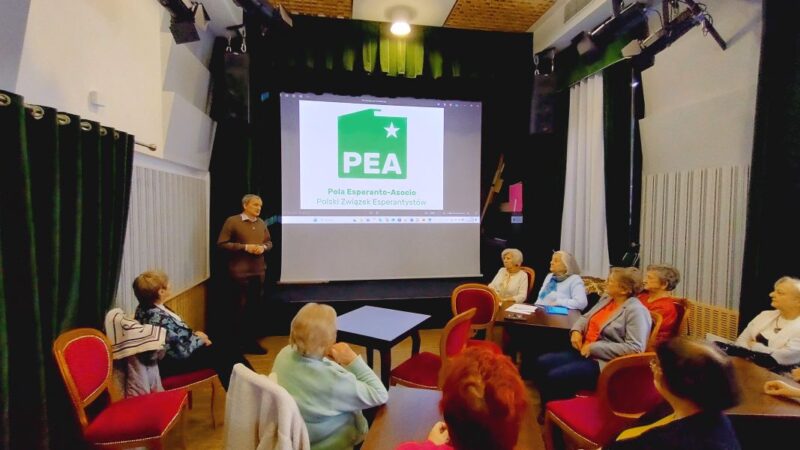 ena Tatara (esperantystka z Krakowa) i Robert Kamiński (Prezes Zarządu Głównego Polskiego Związku Esperantystów) uczestniczyli w 109 Światowym Kongresie Esperanto, który odbył się w dniach 3–10 sierpnia 2024 r. w Aruszy w Tanzanii, co było historycznym, pierwszym takim wydarzeniem na kontynencie afrykańskim. Magda i Robert w bardzo bezpośredni, ciepły a zarazem interesujący sposób opowiedzieli o swojej podróży do miejsca kongresowego, o Tanzanii i Zanzibarze, o samym kongresie i atmosferze tam panującej, o zwiedzanych miejscach. Wszystko to było ilustrowane fotografiami ich autorstwa.
Tanzania – Zjednoczona Republika Tanzanii – to państwo we wschodniej Afryce powstałe z połączenia dawnych kolonii brytyjskich: Tanganiki (do I wojny światowej niemieckiej) oraz brytyjskiego Zanzibaru, co symbolizuje nazwa utworzona z pierwszych sylab nazw obu krajów TAN+ZAN.
Zanzibar to wyspa na Oceanie Indyjskim w całości należąca do Tanzanii. Przedstawiając ten kraj prelegenci pokazali ważne obiekty a także codzienne życie mieszkańców w miejscach, które nie są bogate ale są kolorowe straganami z lokalnymi wyrobami i gdzie głównym środkiem transportu oferowanym turysto jest motocykl. Mieszkańcy Tanzanii są bardzo serdeczni i otwarci, o czym świadczy ich pozdrowienie „ jambo” (cześć) oraz powiedzenie „hakuna matata” oznaczające „nie martw się” lub „żadnych problemów” często słyszane jako powitanie i odpowiedź na codzienne troski, spopularyzowane przez „Króla Lwa”, ale głęboko zakorzenione w kulturze Afryki Wschodniej.
Kongres 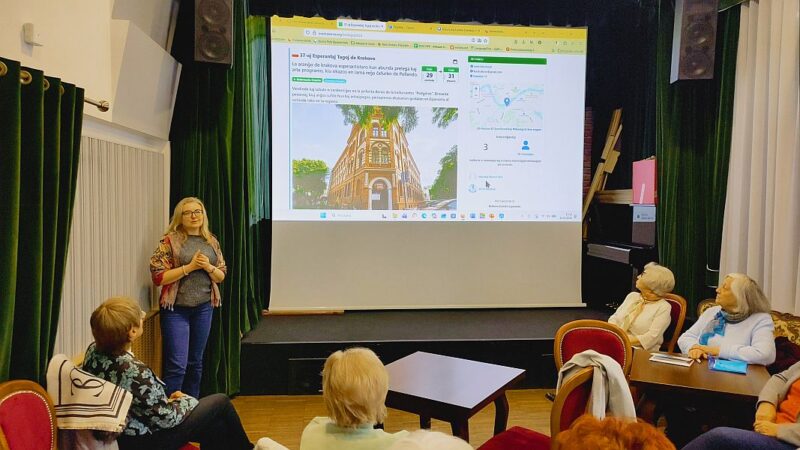 odbywał się w International Conference Center (AICC) w Aruszy, w sali która może pomieścić ok. 1500 osób. W kongresie wzięło udział ok. 700 osób z ponad 60 krajów, a tematem przewodnim było „Język, człowiek i środowisko dla lepszego świata”. Arusza to jedno z największych miast Tanzanii (liczy ponad 600 tys. mieszkańców) położone w pobliżu granicy z Kenią u podnóża majestatycznej góry Meru. Góra ta jest drugim co do wysokości szczytem w Tanzanii po Kilimandżaro. Miasto Arusza stanowi punkt wyjścia na safari w północnej Tanzanii. Dało to uczestnikom kongresu możliwość odbycia wycieczki, w czasie której z okien samochodu można było zobaczyć zwierzęta tam żyjące.
. Ciekawe do zwiedzania okazało się Narodowe Muzeum Historii Naturalnej, w którym znajdują się wystawy dotyczące wczesnego człowieka, roślin i zwierząt regionu oraz historii miasta. Po terenie muzeum swobodnie spaceruje ogromny żyjący ok. 200 lat żółw.
Kolejnym ważnym obiektem jest Centrum Dziedzictwa Kultury w Afryce. Jest to duża galeria sztuki mieszcząca się w imponującym budynku a jednocześnie nawiązującym do afrykańskich symboli. Rozległy kompleks muzealny prezentuje kolekcję sztuki afrykańskiej, w tym rzeźby w drewnie, posągi, maski, obrazy, meble, przybory i tradycyjne drzwi z Zanzibaru.
Nasi goście ciekawie opowiedzieli o zwiedzaniu cmentarza polskich uchodźców w Tenger w rejonie Aruszy. Cmentarz ten jest największym i najlepiej zachowanym miejscem pochówku obywateli Polski w Tanzanii a także w całej Afryce. Spoczywa tam 150 polskich wygnańców z okresu II wojny światowej, którzy towarzyszyli Armii gen. Andersa w wędrówce ze Związku radzieckiego do Iranu i Palestyny. Zostali oni przetransportowani i osiedlili się w brytyjskich koloniach w tym na obszarze ówczesnej Tanganiki (obecnie Tanzanii). Uchodźcy zakładali osady, z których najwięcej było w Tenger i liczyły ok. 5 tys. mieszkańców. Cmentarz ten jak i inne cmentarze Polaków w Tanzanii otoczone są opieką przez polską ambasadę w Tanzanii i jest bardzo zadbany, co na tle miejsc pochówku tamtejszych zmarłych jest wyjątkowe. W Tanzanii nie ma cmentarzy, które byłyby otoczone opieką i pamięcią o zmarłych.
W zorganizowaniu wycieczki do Tengeru pomogła ówczesna wicekonsul z ambasady RP w Tanzanii Krystyna Fatyga. Ona też uczestniczyła w zwiedzaniu cmentarza i opowiedziała jego historię. Relacja naszych gości z ich podróży i udziału w 109 Światowym Kongresie Esperanto nacechowana ich osobistymi wrażeniami, wzbogacona wieloma zdjęciami przeniosła uczestników spotkania w inny ciekawy i z wielu stron nieznany kraj Afryki.
Kongres zorganizowany w Tanzanii podkreślił zainteresowanie językiem i rosnącą rolę esperanto w Afryce. Opowieści o kongresie, który obejmował wydarzenia naukowe, kulturalne, ochronę środowiska, nabożeństwa ekumeniczne potwierdziły, ze jest to impreza promująca jedność, współpracę i esperanto jako narzędzie łączące ludzi ponad granicami kulturowymi.
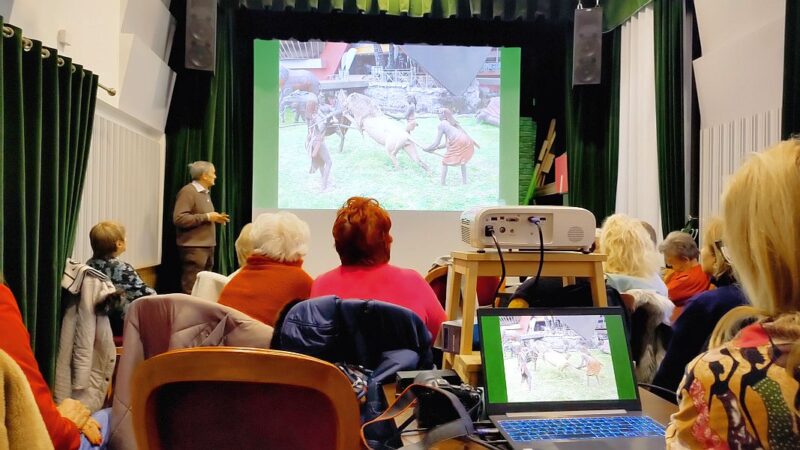
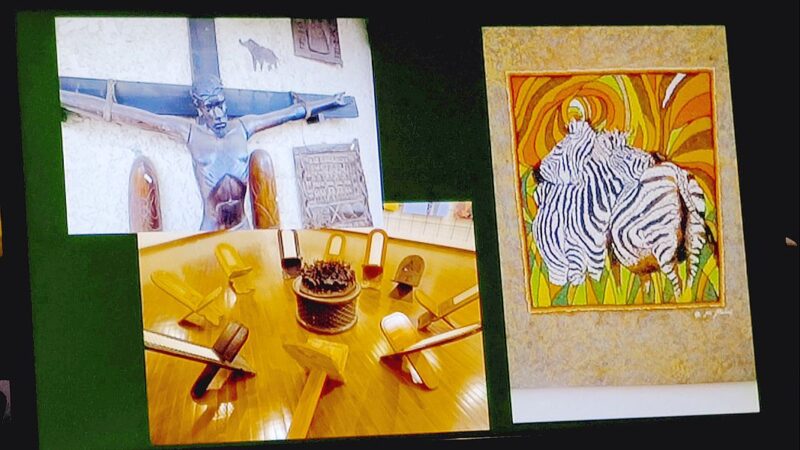
Wystąpienie Magdaleny Tatara i Roberta Kamińskiego przyjęte zostało przez uczestników spotkania bardzo serdecznie i nagrodzone głośnym brawami. W trakcie spotkania Prezes Zarządu Głównego PZE Robert Kamiński przedstawił krótką informację o działaniach związku i zaprosił wszystkich do udziału w 43 Polskim Kongresie Esperantystów, który w dniach 23 – 26 .07. 2026 r. odbędzie się w Bielsku Białej.
Maria Baran
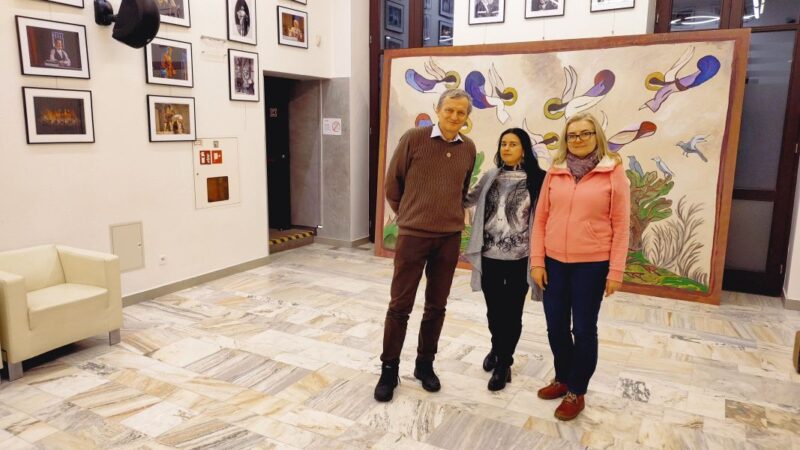
„June kaj kune” to pierwszy w historii musical, który powstał oryginalnie w języku esperanto – nie jest on więc tłumaczeniem żadnego innego dzieła.
Jego premiera odbyła się w ramach 78. Międzynarodowego Kongresu Młodzieży (Internacia Junulara Kongreso, w skrócie: IJK). Tytuł musicalu jest zarazem mottem samego TEJO i oznacza: „młodzi razem”. Opowiada on historię uczestników fikcyjnego Międzynarodowego Kongresu Młodzieży: niektórzy z nich odnajdują miłość, inni swoje obecne „miejsce na ziemi”, a jeszcze inni nieoczekiwaną pomoc.
Nie ma jednego bohatera tej opowieści, tematem i zarazem główną gwiazdą programu jest sam wymieniony kongres. 34 młodych ludzi, mieszkających w 14 krajach i 5 częściach świata połączyło siły w tym wyjątkowym projekcie. Spektakl został zaprezentowany 26 sierpnia 2022 r. o godzinie 20:00 podczas IJK 2022 w Westelbeers w Holandii.
Na realizację tego projektu TEJO otrzymało dofinansowanie z programu Erasmus+ w ramach programu KA152. Ponadto, w jego realizacji realizacji pomogło pięć innych. stowarzyszeń: Katalońska Młodzież Esperancka, Niemiecka Młodzież Esperancka, Włoska Federacja Esperantystów, EUROKKA i Polskie Stowarzyszenie Esperantystów.
Cały musical jak i lista poszczególnych piosenek są dostępne do obejrzenia w serwisie YouTube:
June Kaj Kune – La Muzikalo
Organizanto – June kaj Kune
Kantoj – June kaj Kune
Lidia Komar
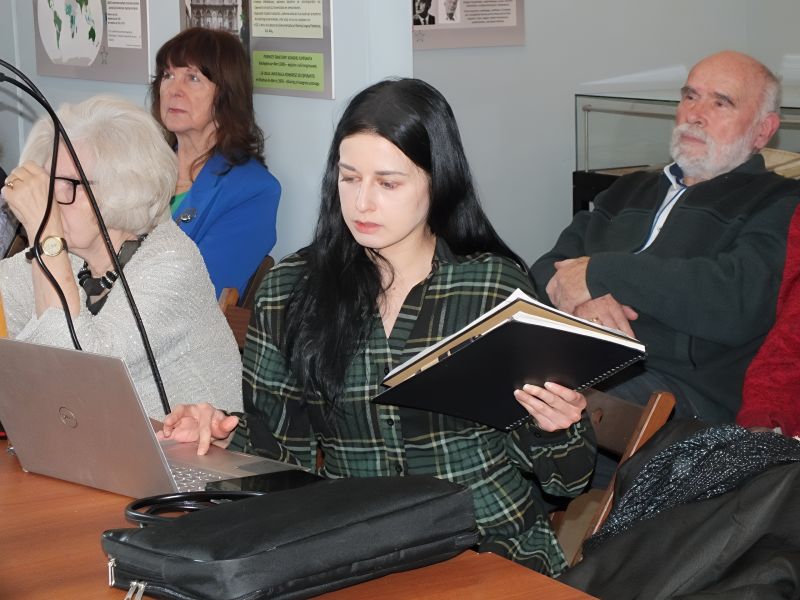
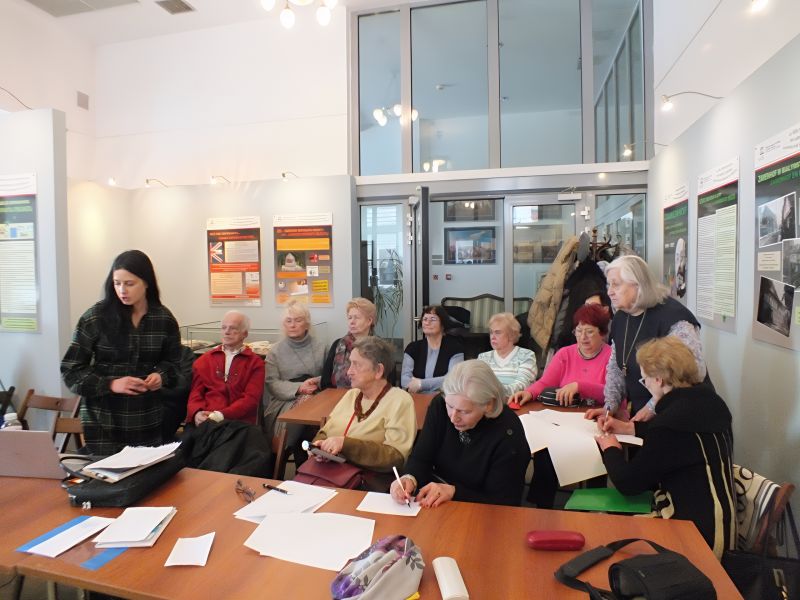
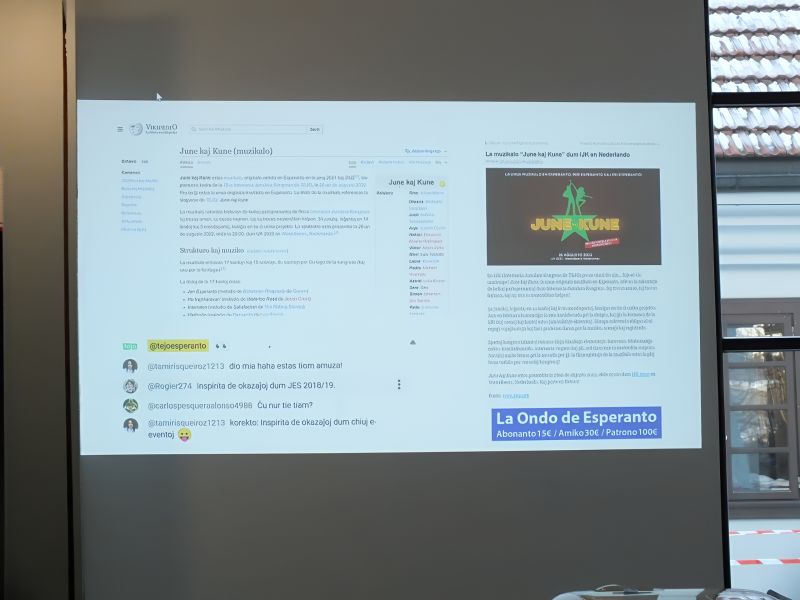
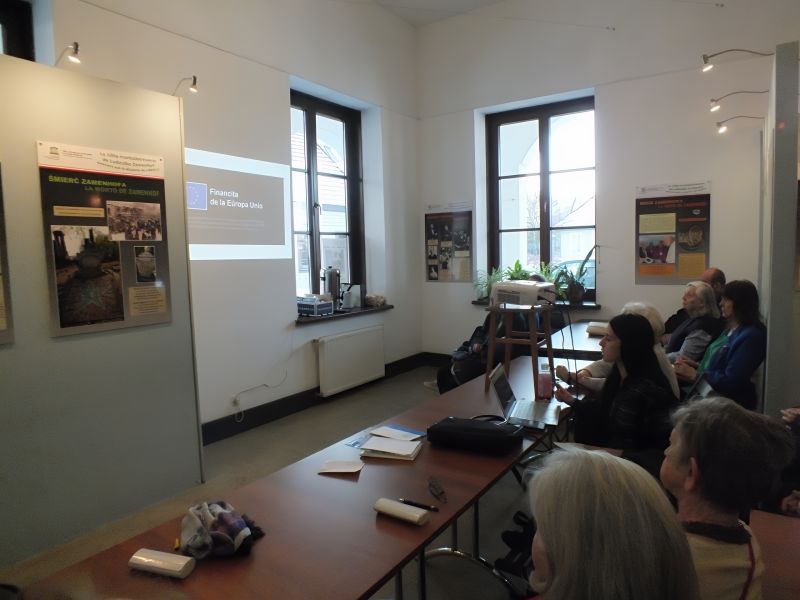
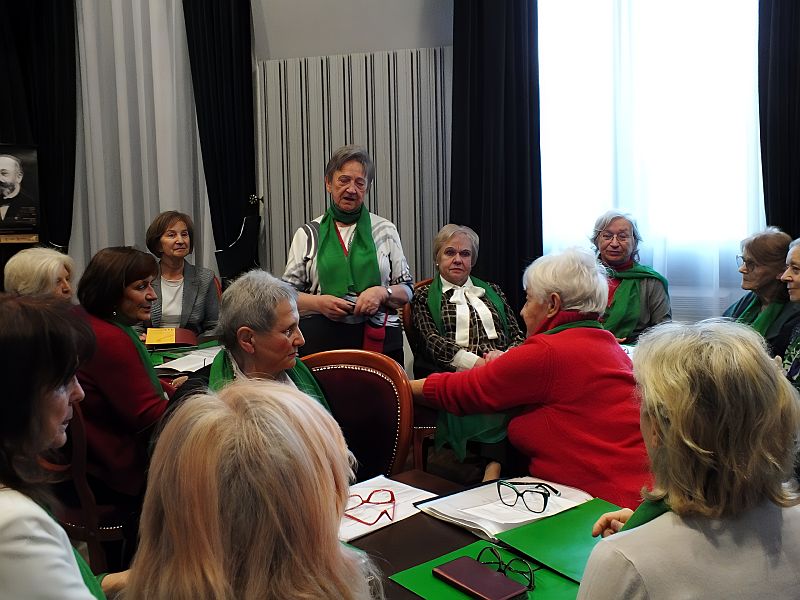
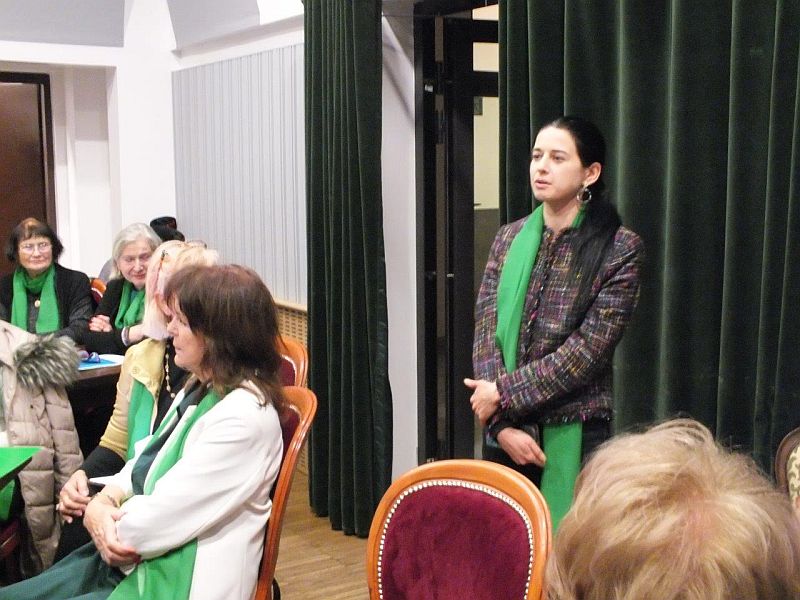
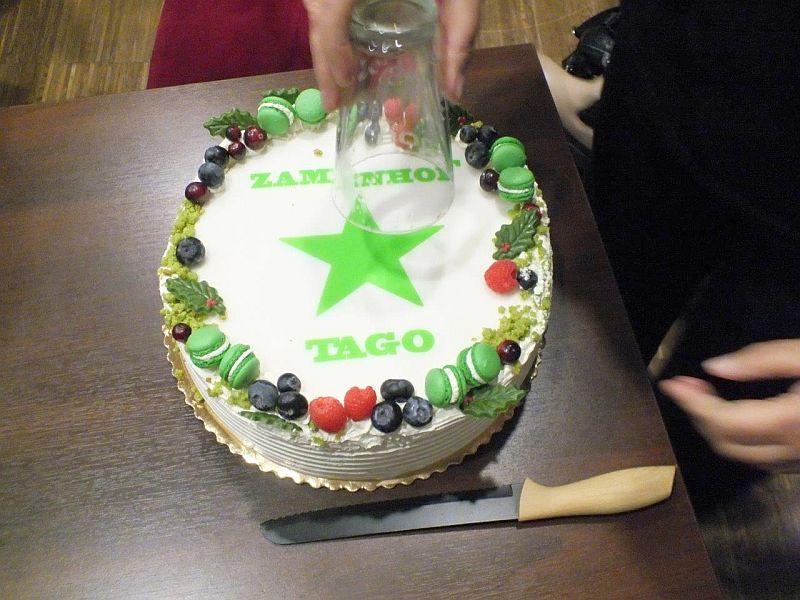
Co roku w grudniu w związku z rocznicą urodzin twórcy esperanta CEM obchodzi „Dzień Zamenhofa’. Tym razem świętowaliśmy 19 grudnia 2025 roku. Był tradycyjny tort Zamenhofa, wspomnienia o naszym Przyjacielu śp. Romanie Dobrzyńskim oraz śpiewanie kolęd w języku esperanto i w języku polskim.
„Zamenhof Tago” oraz wystawa „Esperanto poza granicami czasu i przestrzeni”, której uroczysty wernisaż odbył się 7 listopada 2025 roku w Ratuszu Miasteczka Galicyjskiego w Nowym Sączu – to dwa nasze wydarzenia upamiętniające Ludwika Zamenhofa .O tych przedsięwzięciach znalazły się informacje na światowej platformie esperanckiej „Eventa servo”.
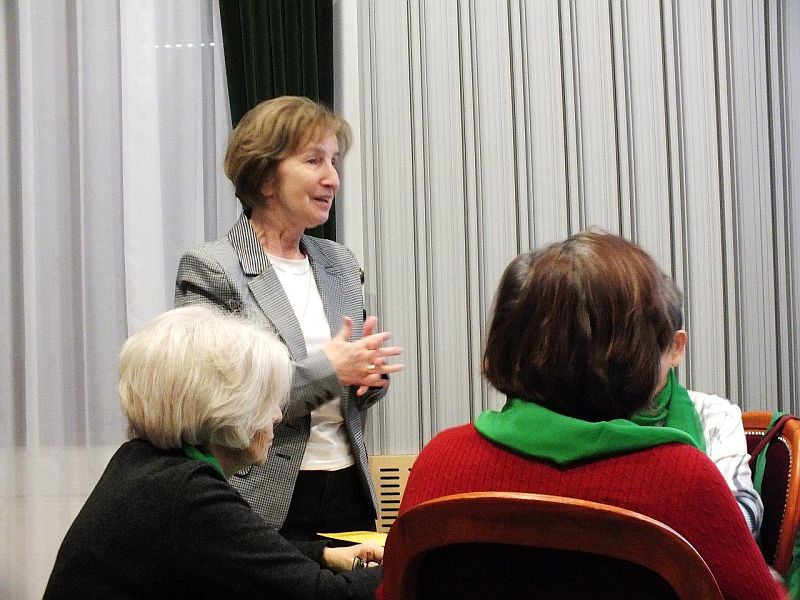
„Dzień Zamenhofa” w Miejskim Ośrodku Kultury rozpoczął się przywitaniem przez Wiceprezes Zarządu CEM Jolantę Kieres przybyłych na to spotkanie osób. Wśród uczestników była Jadwiga Banach reprezentująca Zarząd SUTW, która dziękując za zaproszenie na spotkanie złożyła serdeczne życzenia dalszych osiągnięć naszemu stowarzyszeniu oraz wyraziła przekonanie o kontynuowaniu współpracy między CEM i SUTW.
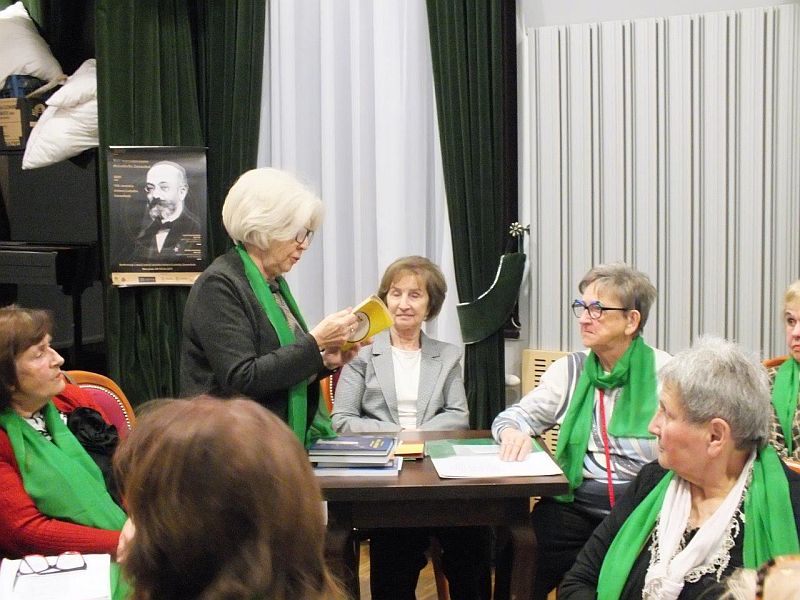
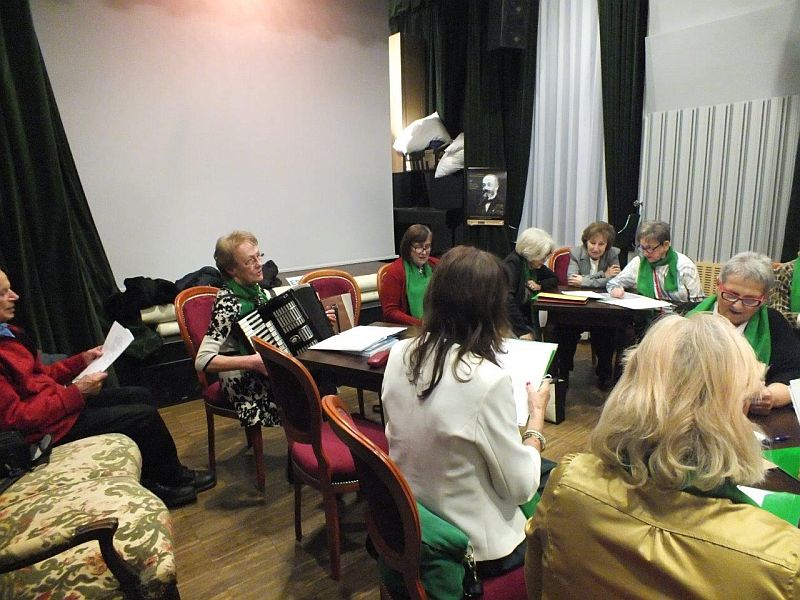
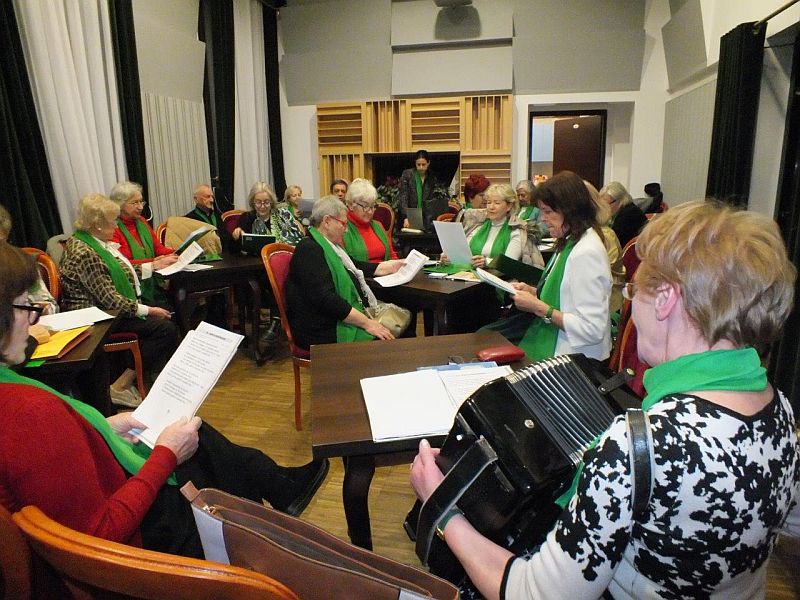
Jolanta Kieres przedstawiła krótką informację o tradycji i formach obchodów „Dnia Zamenhofa” przez esperantystów na całym świecie. Następnie odśpiewany został „Hymn Esperanto” przy akompaniamencie akordeonu, na którym grała Alicja Skalska. Głównym punktem spotkania były wspomnienia o śp, Romanie Dobrzyńskim, wybitnym polskim esperantyście, dziennikarzu i dokumentaliście. Prelekcję o Jego życiu i twórczości a przede wszystkim o Jego współpracy z sądeckimi esperantystami przedstawiła Maria Baran. Podsumowaniem jej prelekcji był wiersz Haliny Różanek esperantystki ze Szczecina, który odczytała Wanda Śmigielska. Wiersz stworzyła Halina w czasie pobytu w 2022 roku naszej 30 osobowej grupy w Niemczech. W dalszym ciągu spotkania były wspomnienia z osobistych kontaktów naszych esperantystów z Romanem Dobrzyńskim. I tak Bożena Kocyk opowiedziała o prywatnych spotkaniach i ciekawych rozmowach z Romanem. Zaprezentowała wydawnictwa książkowe autorstwa Romana Dobrzyńskiego gorąco zachęcając do ich czytania. Wspomnieniami o Romanie podzieliły się Alicja Skalska, Jolanta Kieres i Lidia Komar.
Śp. Roman Dobrzyński jako wybitny esperantysta, pisarz, filmowiec – dokumentalista, serdeczny człowiek o dużym poczuciu humoru i humanista pozostaje w naszej pamięci jako nasz Przyjaciel.
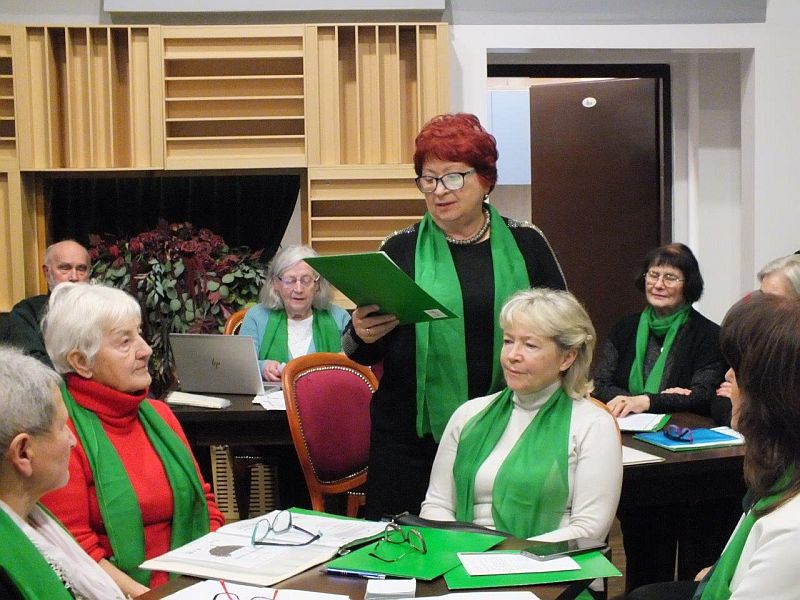
W trakcie spotkania uczestnicy kursów języka esperanto prowadzonych przez Jolantę Kieres przedstawili krótką scenkę humorystyczną opartą o tekst R. Dobrzyńskiego. Tekst zaadoptowała Ewa Merha a indywidualne role odegrały Zofia Homoncik i Wanda Śmigielska.
W związku ze zbliżającymi się Świętami Bożego Narodzenia było chóralne śpiewanie kolęd w języku esperanto i języku polskim na tle muzycznym akordeonu w wykonaniu Alicji Skalskiej. Były też życzenia świąteczno – noworoczne składane sobie nawzajem a szczególnie wesołe zaprezentowała Wanda Śmigielska. W radosnej i przyjacielskiej atmosferze spożywaliśmy tradycyjny „Tort Zamenhofa”.
Maria Baran
Poniżej znajduje się link do prelekcji Marii Baran o tytule:
ROMAN DOBRZYŃSKI – wybitny polski esperantysta i jego współpraca z sądeckimi esperantystami.